Last updated November 21, 2026
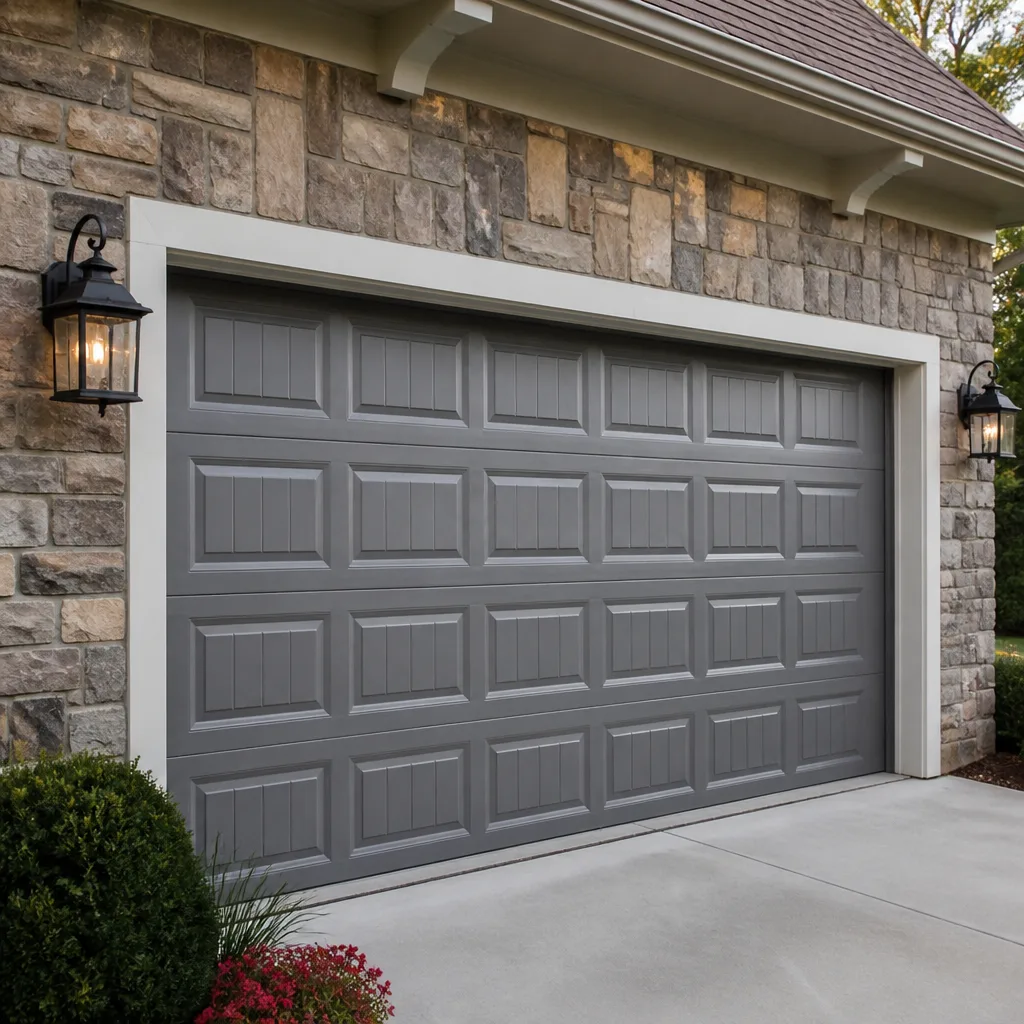 Raised-panel steel
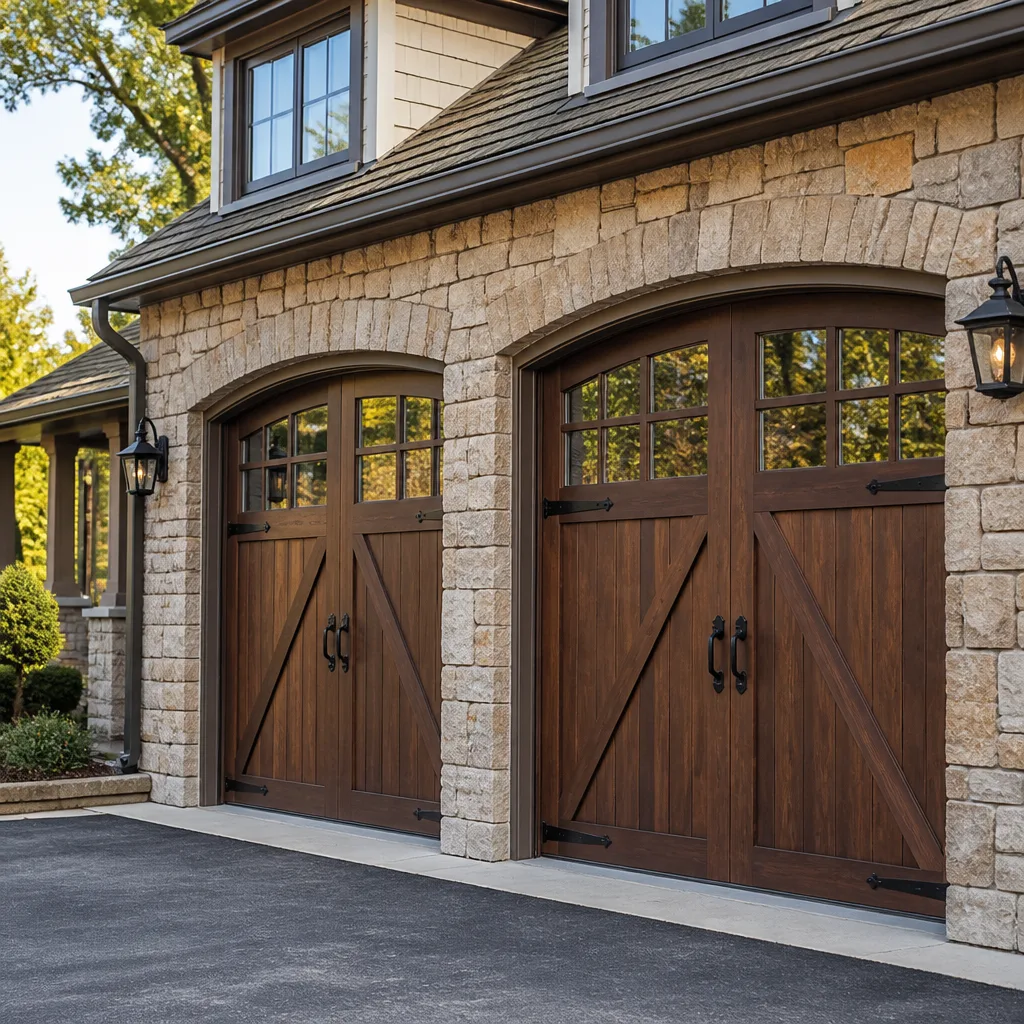 Carriage house
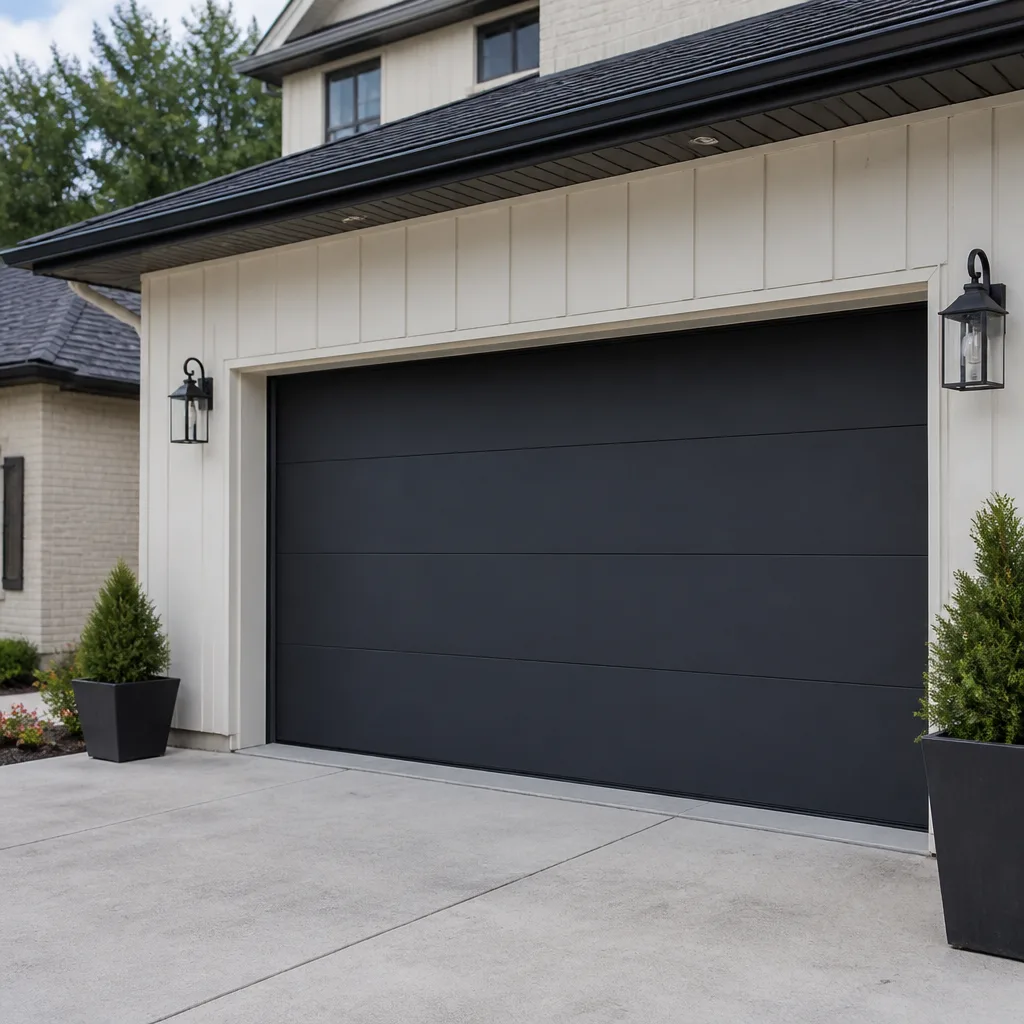 Modern flush
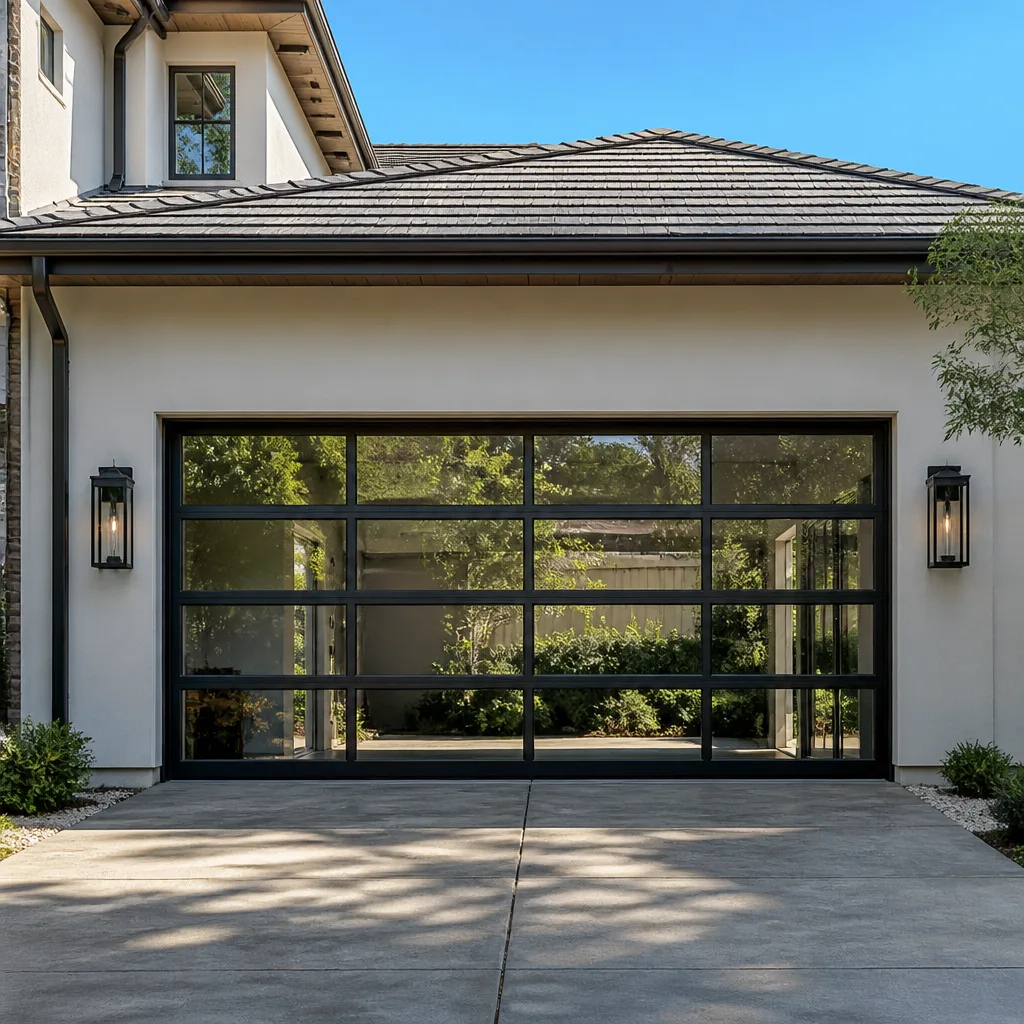 Full-view glass
 LiftMaster openers
 Chamberlain openers
Full 25-point door and opener safety check with every visit - springs, cables, rollers, tracks, and your LiftMaster or Chamberlain opener included
You get a price before we start. It does not change when the pro arrives.
Get your free estimateGarage Door Permits, Codes & Inspections in Bradenton, FL: What You Need to Know
Most homeowners assume a garage door replacement is like swapping out a light fixture: buy the door, hire an installer, done. It isn’t. In Manatee County, a straight door replacement with no structural changes can still require a permit if the new door doesn’t carry the wind-load rating Florida Building Code expects for the opening. Plenty of Bradenton homeowners first learn this during a home inspection or an insurance review, long after the work is finished. This guide walks through when you actually need a permit, how the process works, who should pull it, what an inspection looks for, and what happens when work happens without one. Read it before you sign anything.
Quick Answer
In Manatee County, a garage door replacement usually requires a building permit because the door is a wind-rated component of the building envelope, while routine repairs (springs, cables, rollers, opener motors on the same door) typically do not. The door and its installation must meet Florida Building Code Section 1609 wind-load requirements for the opening. A licensed contractor can pull the permit on your behalf, and that route protects you more than pulling it yourself.
Styles & brands we work with
- Raised-panel steel
- Carriage house
- Modern flush
- Full-view glass
- LiftMaster openers
- Chamberlain openers
Table of Contents
- When Does a Garage Door Job Require a Permit in Manatee County?
- Florida Building Code Section 1609 and Bradenton’s Wind Zone
- Pulling the Permit Yourself vs. Having the Contractor Do It
- What a Manatee County Garage Door Inspection Actually Checks
- Insurance and Resale Consequences of Unpermitted Work
- How a Permitted Garage Door Replacement Usually Runs
- Other Code and HOA Details Bradenton Homeowners Ask About
When Does a Garage Door Job Require a Permit in Manatee County?
Manatee County requires a building permit for a garage door replacement in most residential cases, and often for a new door installation on an existing opening. It generally does not require one for a repair that keeps the same door in place. The dividing line is the door itself: when you remove the door and put a different one in, the building envelope changes, and the county wants to confirm the new product meets the wind-load standard for that opening before the door is final. When you change a torsion spring, a set of rollers, a hinge, a cable, or an opener motor and leave the door in place, the envelope hasn’t changed, so the permit question usually doesn’t come up. We’ve talked with plenty of homeowners across Bradenton who assumed a “same size, same color, same style” swap fell under repair, but the county treats the door as a structural envelope component rather than a decoration. Sizing it correctly and knowing what the opening requires is part of the work.
Here’s how the triggers usually break down:
- Replacement of the door panel itself (same size, same opening): typically requires a permit because the new door must carry a wind-load rating matching the opening’s design pressure.
- New door installation on an existing opening where the old door was removed entirely and the opening reworked: permit required.
- Full installation with a wider or taller opening, or conversion of a carport-sized opening: permit required, and likely a structural review as well.
- Opener replacement only (same door, new motor): usually no permit, since the door and envelope haven’t changed.
- Spring, cable, roller, or hinge repair: no permit needed, but a trained garage door specialist is still the right call for anything under tension.
- Track realignment after a door came off its tracks: usually no permit if no door replacement is involved, though a door that’s bent past straightening slides into replacement territory.
If you’re not sure which category your job falls into, the safe move is to ask the Manatee County Building Department directly. They will tell you whether a permit is needed for your specific address and scope. Our own rule of thumb when we’re helping a homeowner plan: if the door itself is coming out or going in, assume a permit is part of the job until the county says otherwise. A quick call to your building department is cheaper than a surprise during closing. If a door is broken and unsafe right now, start with garage door repair to make the opening secure, then sort the permit side before you replace anything.
Florida Building Code Section 1609 and Bradenton’s Wind Zone
Florida Building Code Section 1609 covers wind loads on buildings, and it is the section county reviewers point to when they’re checking a garage door on a residential permit. The idea behind it is straightforward: a garage door is the largest moving opening in most homes, and when wind pushes against it, the door needs to hold that pressure without failing. Section 1609 is where the code sets out how those wind pressures are calculated for a given building and location. In practice, the county wants to see that the door you’re installing has a published design-pressure rating equal to or higher than what the opening is designed for. If it doesn’t, the door doesn’t meet code for that opening and the inspection stops there.
Bradenton sits in Florida’s wind-borne debris region as mapped by the Florida Building Code, which is why garage doors here are typically impact-rated and carry a design pressure label. You don’t need to memorize Section 1609 to buy a door. What you do need is the door’s rating information and an installer who will match the door to the opening. A replacement door without a rating label isn’t a bargain; it’s a door the county won’t sign off on and an insurer can push back on later.
Some practical points that come up when we’re helping a Bradenton homeowner pick a door for a permitted replacement:
- The door must show an approved design-pressure rating on its label or documentation.
- The installation method (anchors, brackets, track attachment) has to match the door manufacturer’s installation instructions, since the rating assumes that installation.
- Impact-rated glazing in the door has to be installed as specified; swapping in standard glass later can compromise the rating.
- Brands like Clopay and Amarr publish rating documentation for their impact-rated lines, which makes the county review smoother when the paperwork is in order.
If a contractor tells you “it’s the right size, that’s all that matters,” that’s a warning sign. Sizing matters, but the rating is what the county is checking. If you’re simply replacing an opener on a door that’s already permitted and rated, that’s a separate, smaller job: our garage door opener repair team handles those without touching the door or the permit question.
Pulling the Permit Yourself vs. Having the Contractor Do It
You can pull a garage door permit yourself as a homeowner in Manatee County. Having the contractor pull it usually protects you more. The split comes down to who the county considers responsible for the job when something goes wrong. When you pull the permit as an owner-builder, the county treats you as the responsible party for the installation, the inspection outcome, and any correction that’s needed. When the contractor pulls it, the responsibility sits with the licensed professional who will actually be on the site. If the inspection fails, the contractor is the one who has to fix it, not you.
Here’s how a contractor-pulled permit typically runs, start to finish:
- A specialist visits, measures the opening, and confirms the door you’ve chosen meets the design pressure for your address.
- The contractor submits the permit application and the supporting documentation to Manatee County.
- The county reviews and issues the permit; you receive a copy.
- The door comes out, the new door goes in, and the installation follows the manufacturer’s instructions.
- The county inspects the completed job, and you get the final inspection sign-off, which is the document that closes out the permit and matters most later.
The main advantage of having the contractor pull it is simpler: the paperwork, the product documentation, and the inspection call all happen inside one scope, and the person who installed the door is the person answering to the inspector. When you pull it yourself, you’re managing the calls, the correction notices, and the re-inspection yourself while still trying to run your household. For most homeowners in Bradenton, letting the contractor handle the permit is the low-effort option that also gives you the cleaner paper trail.
One related note: the permit holder is also the person whose name shows up in the county record. If you plan to sell within a few years, that record is what a buyer’s agent will look up. A permit with a passed final inspection is clean. A permit in your name with no final inspection is a loose end you’ll have to resolve before closing.
What a Manatee County Garage Door Inspection Actually Checks
A Manatee County garage door inspection is not a general safety inspection of the door; it’s a code-compliance check of the permitted installation. The inspector’s job is to confirm the door that was installed matches what was permitted, and that the installation meets the code and the manufacturer’s requirements. In practical terms, that means the inspector is looking for the door’s rating label, confirming the anchors and brackets are set the way the manufacturer specifies, and verifying the door operates within its normal range of travel. It’s not a spring or opener tuning visit; it’s a check that the envelope component matches the permit.
Here’s what the inspector usually wants to see, and the things that most often cause a fail:
- The rating label is visible and matches the permit. A door with no label, or a label that doesn’t match what was listed, is one of the fastest ways to fail.
- The installation matches the manufacturer’s instructions. Anchors, brackets, and track attachment must be configured the way the door maker calls for; improvising on the install is another common fail.
- Safety features on the opener are present and functioning when the opener is part of the scope: the entrapment protection, typically a photo-eye or equivalent, and the mechanism that reverses the door on contact.
- The door travels fully and stops cleanly. A door that won’t fully close, or that binds, will be flagged.
- No exposed tension hardware or unsafe track misalignment on the door opening that would make the inspector stop the sign-off.
To avoid a failed inspection, the practical move is to have the installation done correctly the first time and to have the door’s documentation ready. A missing manufacturer’s instructions or an unreadable label is the kind of thing that turns a routine visit into a re-inspection. If you’re working with an installer who can produce the rating paperwork without a scramble, the inspection is usually uneventful. Our own technicians are trained to work with the same manufacturer documentation the county wants to see, which is one reason we don’t hand a permitted replacement off to a general handyman.
If your door is off its tracks from an impact and the opening needs to be secured before any permit work can start, we handle that as a repair rather than a replacement until the plan is settled. The Bradenton Garage Door Repair Pros team is the place to start there.
Insurance and Resale Consequences of Unpermitted Work
An unpermitted garage door replacement can quietly become an insurance and resale problem, and it usually shows up in both directions. On the insurance side, a garage door is a wind-rated component of the building envelope. If a storm opens that door or drives it in, and the door doesn’t meet the code that was in effect when it was installed, the insurer has a legitimate question about whether the claim is covered at the level you expect. The door itself is also part of the covered structure, so a replacement that never went through the county may leave you arguing about whether the installed door is the one being insured. That argument is easier to avoid than to win.
The resale side is just as real. When a buyer’s agent pulls permits, an unpermitted garage door comes up as a discrepancy in the public record. Depending on the buyer and their lender, that can mean a repair credit, a delayed closing, or a request that the seller pull and pass a permit before the sale. In some cases the seller has to have the door inspected and permitted after the fact, which may involve opening up the wall around the opening and redoing part of the work. A permitted job with a passed final inspection avoids all of it.
A few things worth knowing before you decide to skip the permit:
- Unpermitted replacement work doesn’t automatically fail your sale, but it enlarges the conversation and gives the buyer leverage.
- An insurer reviewing a wind damage claim will consider the door’s code status when it assesses the claim.
- If a door fails because it wasn’t rated for the opening, a correction can mean buying a different door and pulling the permit late, not a quick fix.
- Opening a permit after the fact is usually possible, but it’s more work than doing it in the right order.
One point we always make with Bradenton homeowners: the money you save by skipping the permit is small compared to the argument a claim denial or a stalled closing creates. The permit and final inspection are the cheapest parts of the entire project.
How a Permitted Garage Door Replacement Usually Runs
A permitted garage door replacement in Bradenton usually takes a few weeks from first call to final inspection, with the physical door swap itself taking less than a day. The timeline is driven by the permit review and the inspection scheduling, not by the door installation. If you’re planning a replacement, budget for the permit to be its own step, not a formality wrapped into the install day.
The typical sequence:
- Measure and plan. A specialist measures the opening and confirms the design pressure of your address so the door you choose matches the opening.
- Choose the door. You select a rated door in the right size and style, and the contractor confirms the rating documentation.
- Submit the permit. The permit application goes to Manatee County with the door documentation attached.
- Permit issued. The county reviews and issues; you receive a copy to keep.
- Install day. The old door comes out, the new door and hardware go in, and the opener is set up if it’s part of the scope.
- Inspection. The county inspects the installation against the permit; the final sign-off closes the permit.
If your opener is on its last legs and you’re replacing the door anyway, this is the moment to replace the opener too, because the opener must be matched to the new door’s weight and travel. Modern LiftMaster and Chamberlain openers with integrated smart-control features are a common pairing with impact-rated doors, and they’re worth setting up during the same visit rather than a second trip. If the opener is fine and only the door is being replaced, the opener can stay. When it comes to installation, the schedule is what it is: measured, ordered, permitted, and installed. It isn’t a same-day job, and any installer who tells you otherwise is skipping a step.
If you’re still deciding whether a full replacement is necessary, start with the diagnosis: some doors that seem like they need replacing only need spring, cable, or track work, which is a repair, not a permit scope. A garage door spring repair assessment is often the starting point. Springs are the most common failure point on any door, and they’re also the most dangerous component in the system; a snapped torsion spring is not a homeowner repair, and it’s not something a general handyman should be handling either. Our technicians are trained specifically for high-tension hardware, which is why we treat spring work as its own service rather than tagging it onto a general call.
Other Code and HOA Details Bradenton Homeowners Ask About
Beyond the building permit, garage doors in Bradenton can bump into a second layer of requirements: HOA rules, deed restrictions, and neighborhood design standards. Plenty of Bradenton neighborhoods have rules about door color, panel style, window configurations, and whether a door can face the street without matching the rest of the block. Those rules sit alongside the building code, not instead of it, and a door that passes county inspection can still fail an HOA review if the style or color is off. Before you order a door, check both. The permit doesn’t waive the HOA restriction, and the HOA approval doesn’t waive the permit.
Which brands get specified most often in this area? For impact-rated replacement doors, Clopay and Amarr come up regularly, and both publish the design pressure documentation the county wants. On the opener side, Chamberlain, LiftMaster, Genie, Craftsman, and Raynor are the names we see most in Bradenton garages. Knowing the door and opener you already own makes the permit process simpler, because the paperwork trail already exists; if you’re adding a new door and opener at once, matching them from the start avoids a second visit.
Two more things worth checking before permit submission:
- Whether the door you’re ordering has a published design pressure rating that matches your opening’s design pressure, not just the size.
- Whether the HOA or deed restriction requires a specific color, window pattern, or manufacturer before you submit anything to the county.
Our own approach on a replacement job is to have the rating paperwork and the door manufacturer’s installation instructions in hand before the permit goes in, so the county review moves through the first round. It’s the boring part of the job, and it’s the part that makes the final inspection a formality instead of a second visit.
Common Mistakes to Avoid
- Assuming a same-size swap is exempt. A door that matches the old one in dimensions can still fail the wind-load requirement if the new door doesn’t carry the right rating for the opening.
- Pulling the permit but never scheduling the final inspection. The permit application alone doesn’t close the file; without the passed final inspection, the record shows unfinished work.
- Ordering a door before checking the design pressure for the opening. A beautiful door with no rating label is a door the county won’t sign off on.
- Letting a general handyman install a rated door. A jack-of-all-trades may be fine for trim, but the county inspection and the door’s rating depend on the install matching the manufacturer’s instructions exactly.
- Skipping the HOA check. The county permit doesn’t override deed restrictions, and a door that passes inspection can still draw a violation letter from the HOA.
- Replacing the door without checking the opener. A new heavier door on an older opener can fail to lift it, and the opener’s rating has to match the door.
- Confusing opener-only work with door replacement. Swapping an opener on an existing door is a different scope from replacing the door itself, and the permit requirements differ.
See the difference
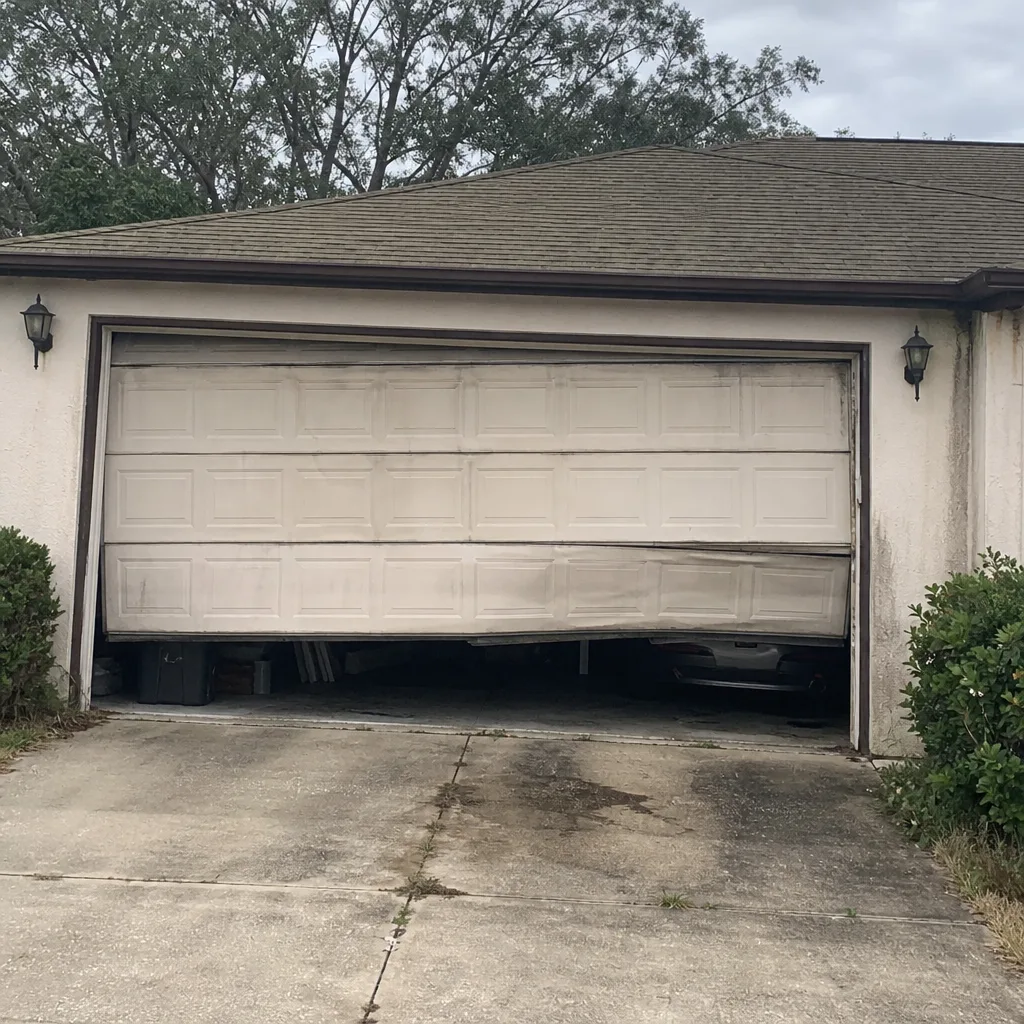 Before
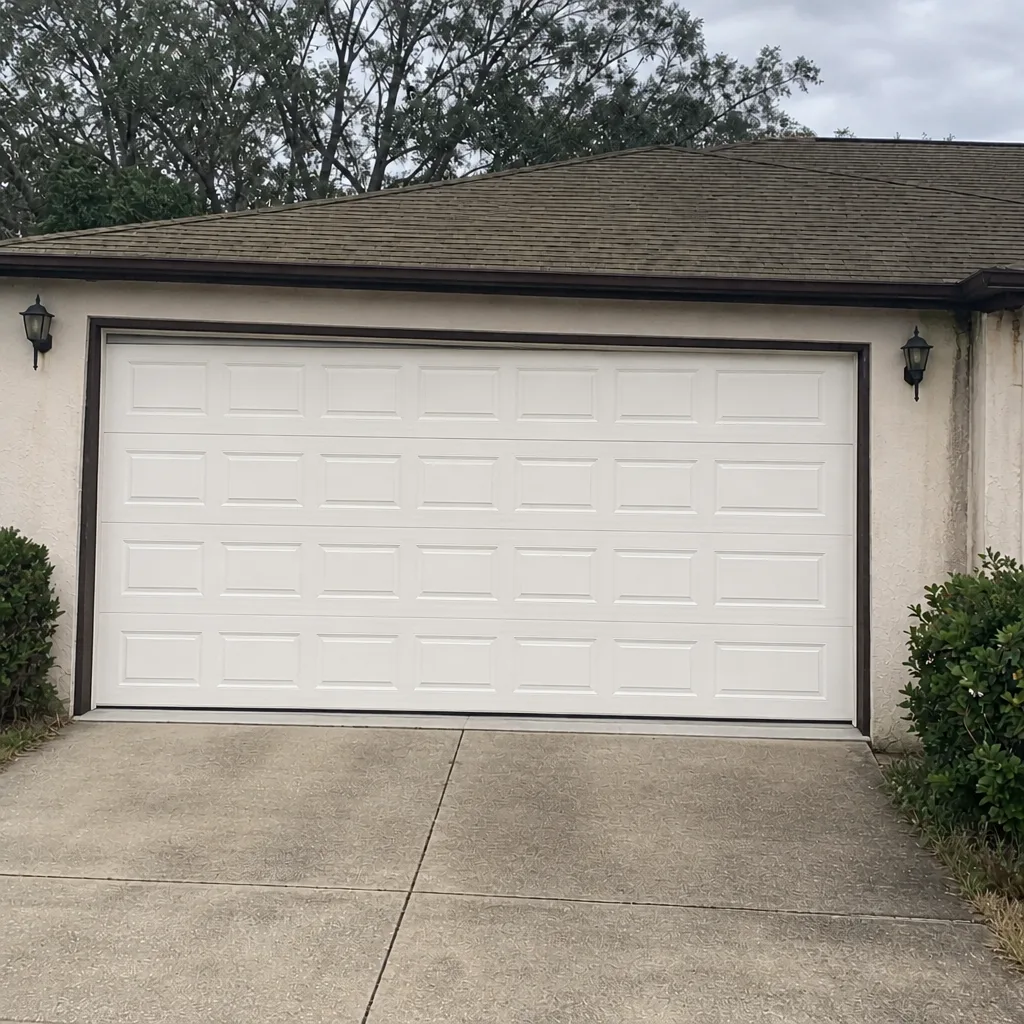 After
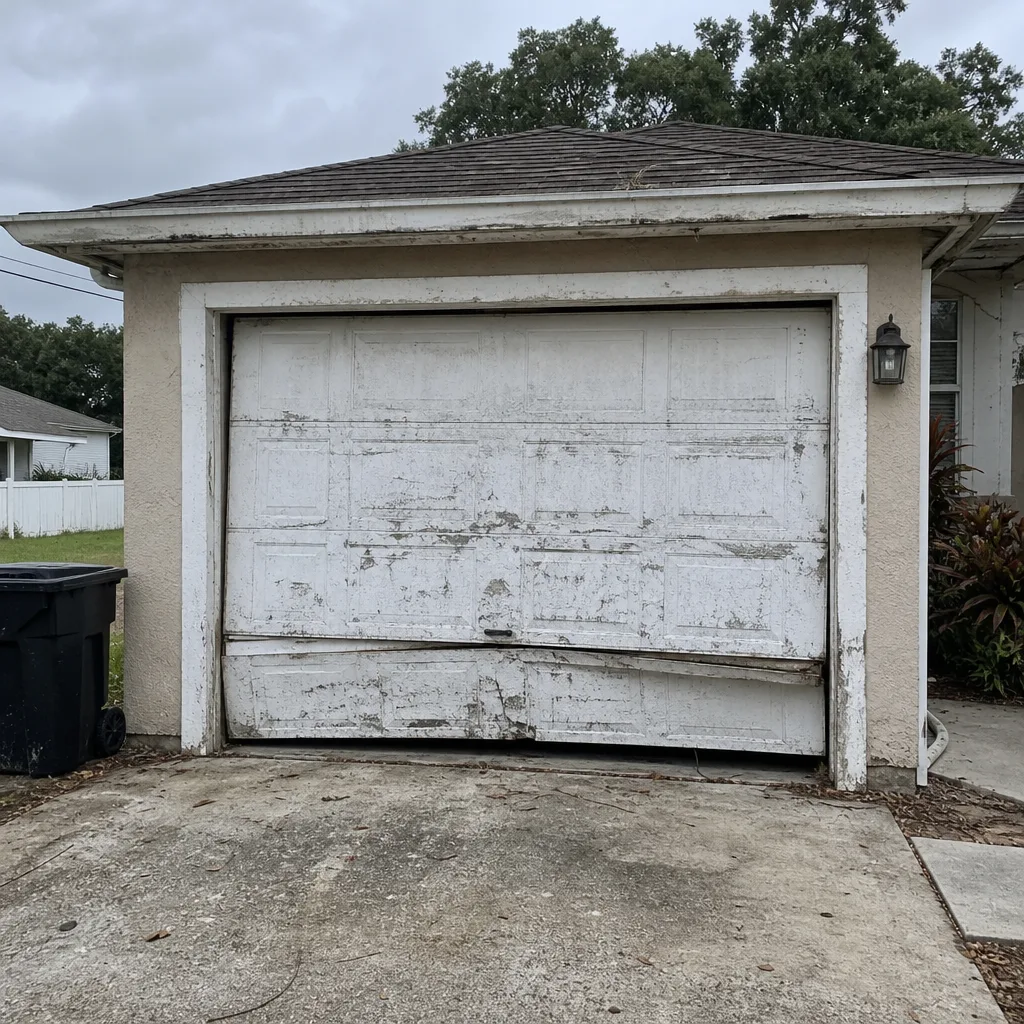 Before
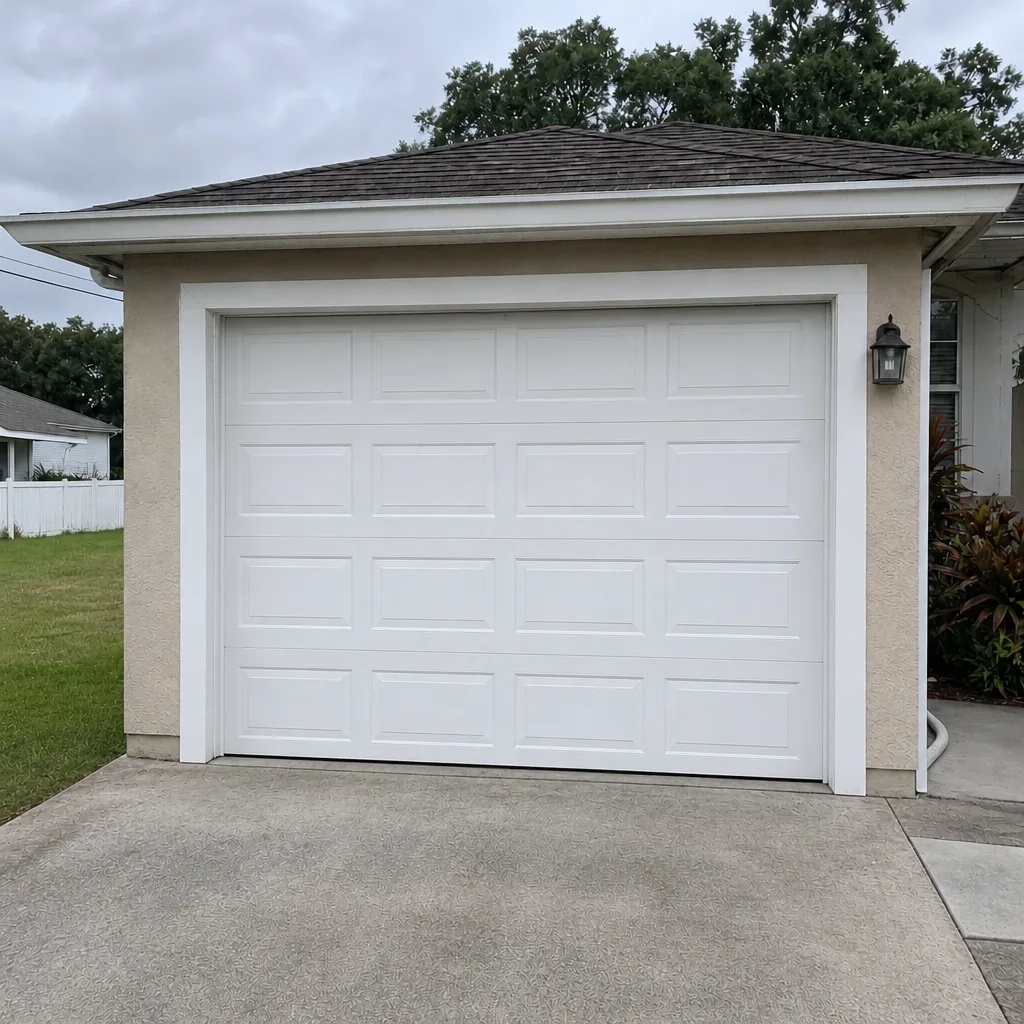 After
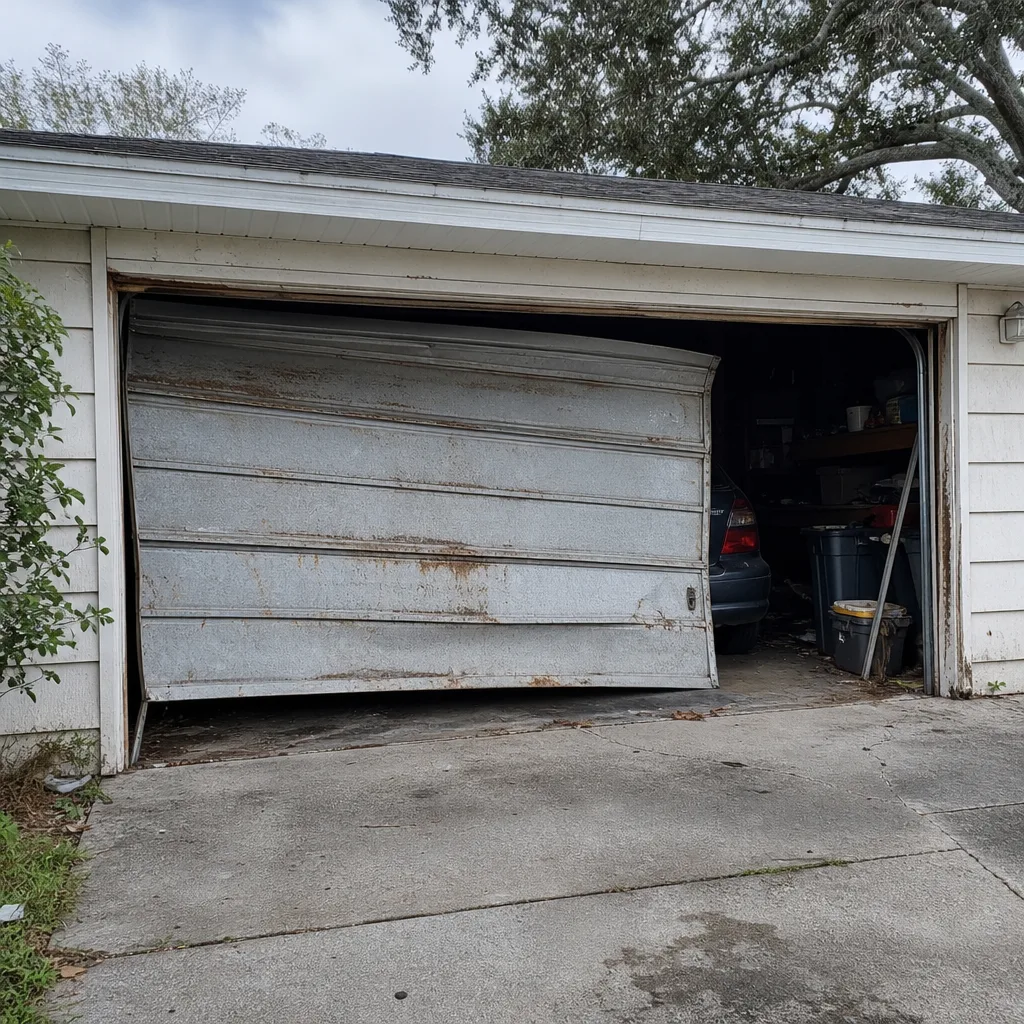 Before
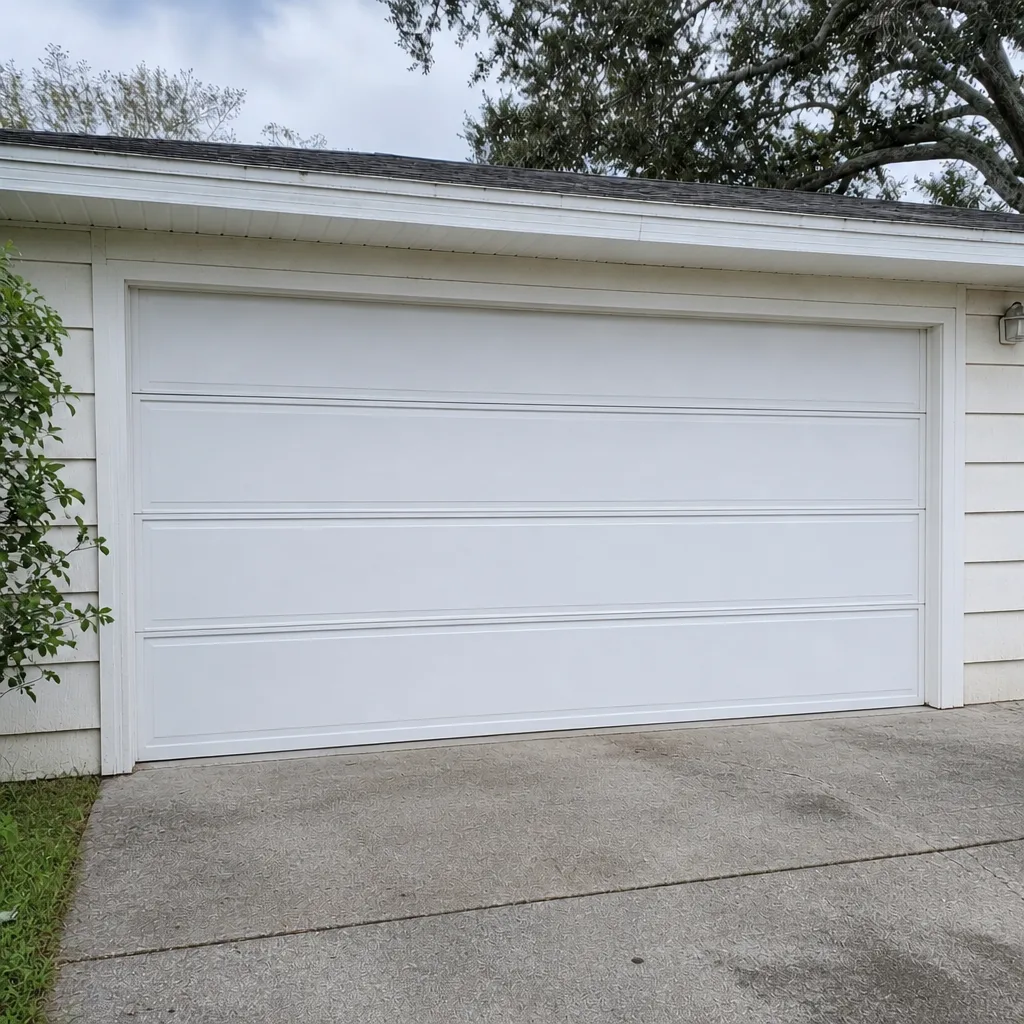 After
When to Call a Professional
Call a specialist when the door itself is involved: a replacement underway or planned, a door that’s off its tracks, a snapped spring, a door that won’t close fully, or an opener that’s stopped responding on a door you rely on for security. On a permitted replacement, the professional should be the one who confirms the door’s rating for the opening, produces the documentation the county wants, and schedules the inspection. On an emergency, the priority is making the opening safe and secure first, then sorting the permit side once the door is stable. Our technicians have up to 12 years of experience, and we handle repair, opener work, spring service, replacement, and emergency calls through one specialty rather than across a broader home-services roster. Bradenton Garage Door Repair Pros offers free estimates in Bradenton – call (844) 941-2329.
Frequently Asked Questions
Yes, in most cases. Manatee County typically requires a permit to replace a residential garage door because the door is a wind-rated part of the building envelope and must meet Florida Building Code Section 1609 for the opening. Confirm with the Manatee County Building Department for your address before work begins. Call (844) 941-2329 for a free estimate on a permitted replacement.
A repair keeps the existing door in place, so it usually doesn’t need a permit; a replacement removes the door and installs a different one, so it usually does. Springs, cables, rollers, hinges, and opener motors on the same door are typically repair-scope. If the door itself is coming out or going in, treat it as a permit job until the county says otherwise. Call (844) 941-2329 for a free estimate.
You can, but having the contractor pull the permit protects you more, because the licensed professional takes on the responsibility for the installation and the inspection outcome. When you pull it as owner-builder, you’re responsible for corrections and re-inspections yourself. Most Bradenton homeowners choose the contractor-pulled route for the cleaner final record. Call (844) 941-2329 to talk through which way makes sense for your scope.
The county inspection checks that the installed door matches the permit and meets the wind-load rating for the opening, that the installation matches the manufacturer’s instructions, and that the opener’s safety features and door travel function correctly. It is not a spring or opener tuning visit. A missing or unreadable rating label is one of the most common fail points. Call (844) 941-2329 for a free estimate that includes getting the documentation ready before the permit is submitted.
It can. A garage door is part of the covered structure and a wind-rated envelope component, so an unpermitted replacement can complicate a wind damage claim if the insurer questions whether the door meets code for the opening. It also shows up as a permit discrepancy when the house is sold. The permit and final inspection are the cheapest parts of the project. Call (844) 941-2329 for a free estimate.
No. We quote the job from the measure and the door documentation, and the written estimate sets the final price. If the opening turns out to need something outside the quoted scope, we say so before any work starts rather than surprising you with an invoice afterward. That’s the only way we do it. Call (844) 941-2329 for a free estimate.
The Bottom Line
In Manatee County, a garage door replacement usually needs a permit, the door must meet Florida Building Code Section 1609 wind-load requirements for the opening, and the final inspection is what closes the file. Repairs to springs, cables, rollers, and openers on the same door typically don’t need a permit, but a door swap does, even when it’s the same size as the old one. Pull the permit through a licensed contractor rather than as an owner-builder; the cleaner record protects you at claim time and at closing. Skip the permit and you trade a modest filing cost for an insurance argument and a title question later. Do it in the right order and the project is boring, which is exactly what you want.
If you’re planning a replacement or a repair and you’re not sure which path applies, call us for a free estimate. We’ll tell you what the job needs, what the county requires for your opening, and what the written price is before anything starts. Bradenton Garage Door Repair Pros – (844) 941-2329.
Written by the team at Bradenton Garage Door Repair Pros.