Last updated November 21, 2026
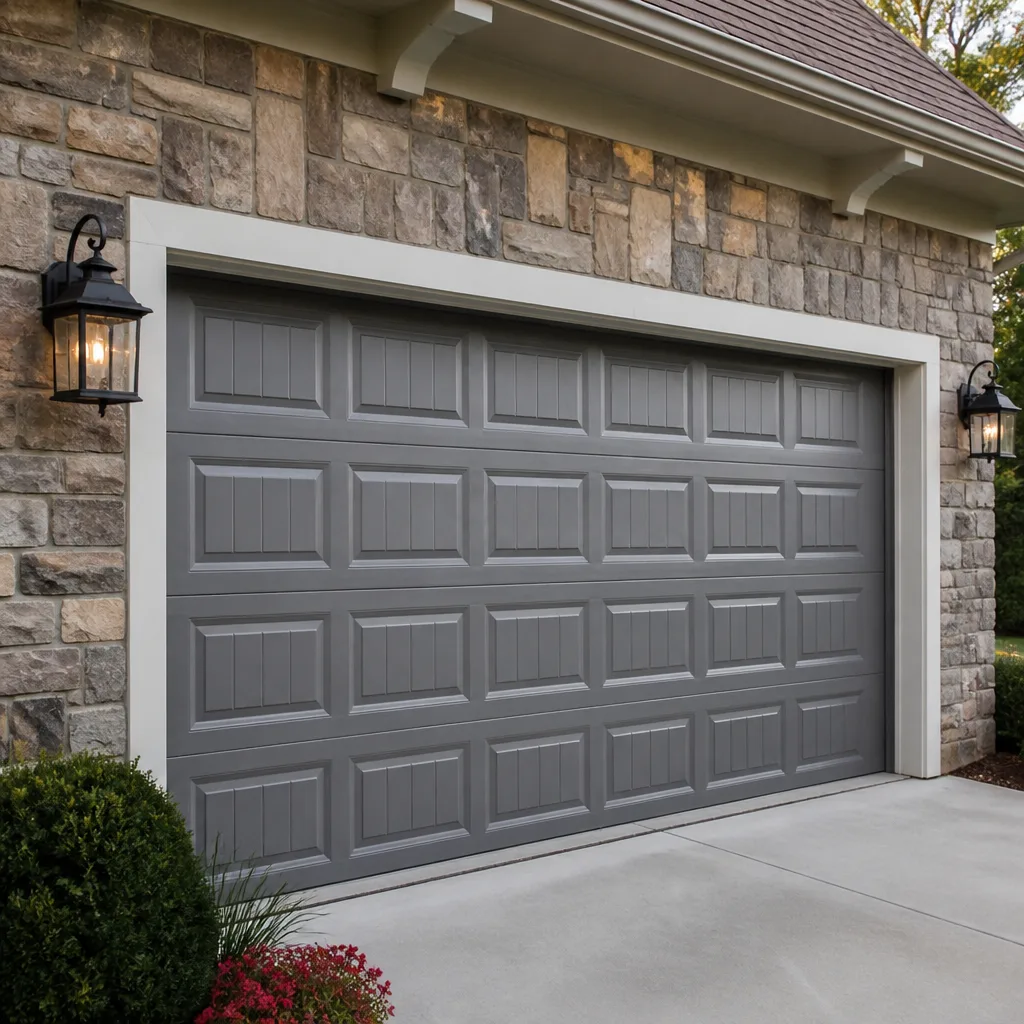 Raised-panel steel
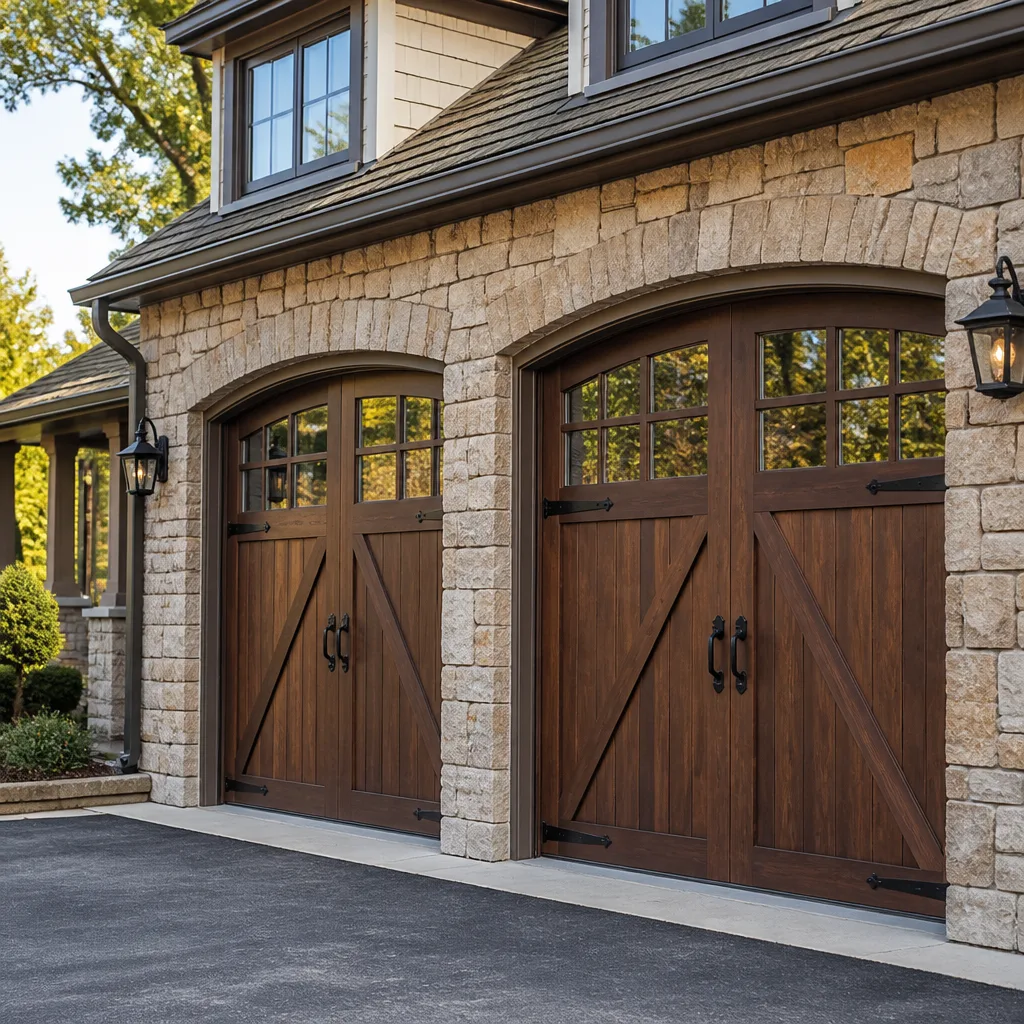 Carriage house
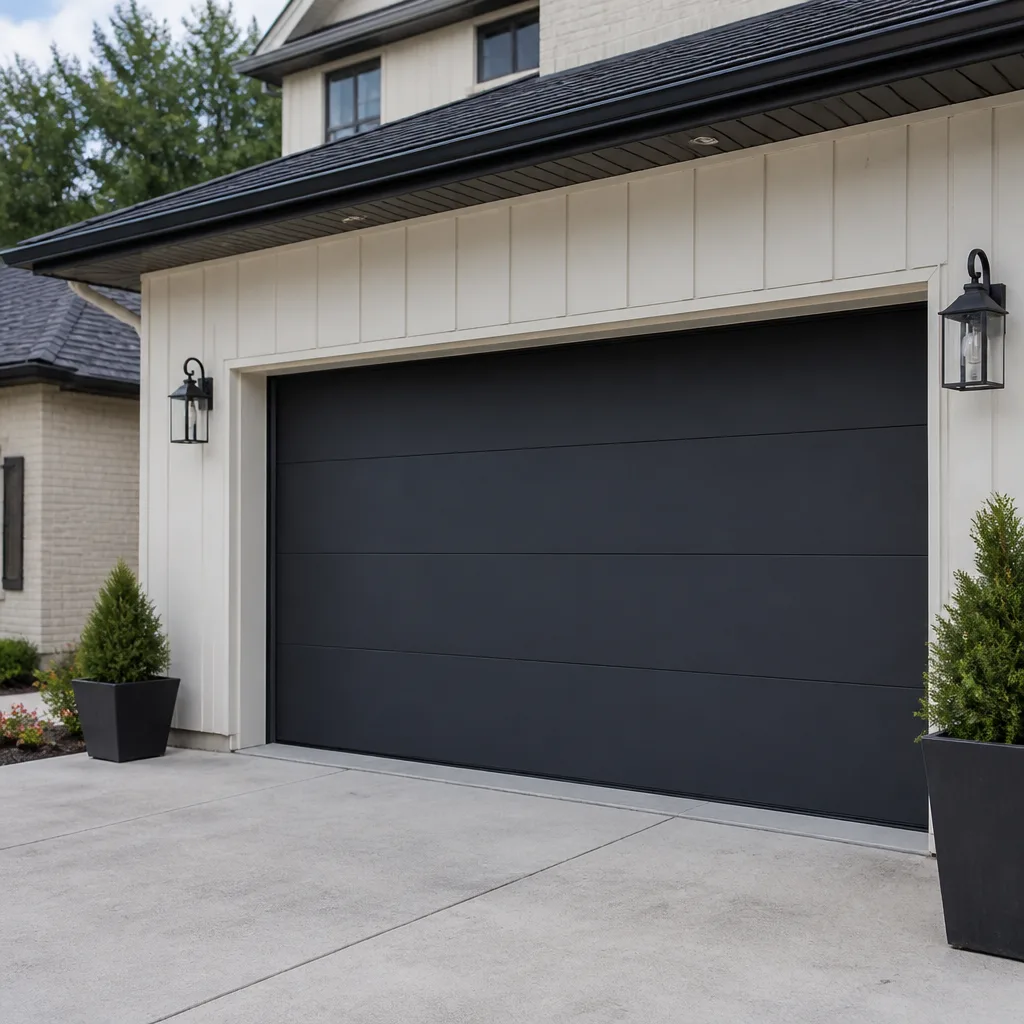 Modern flush
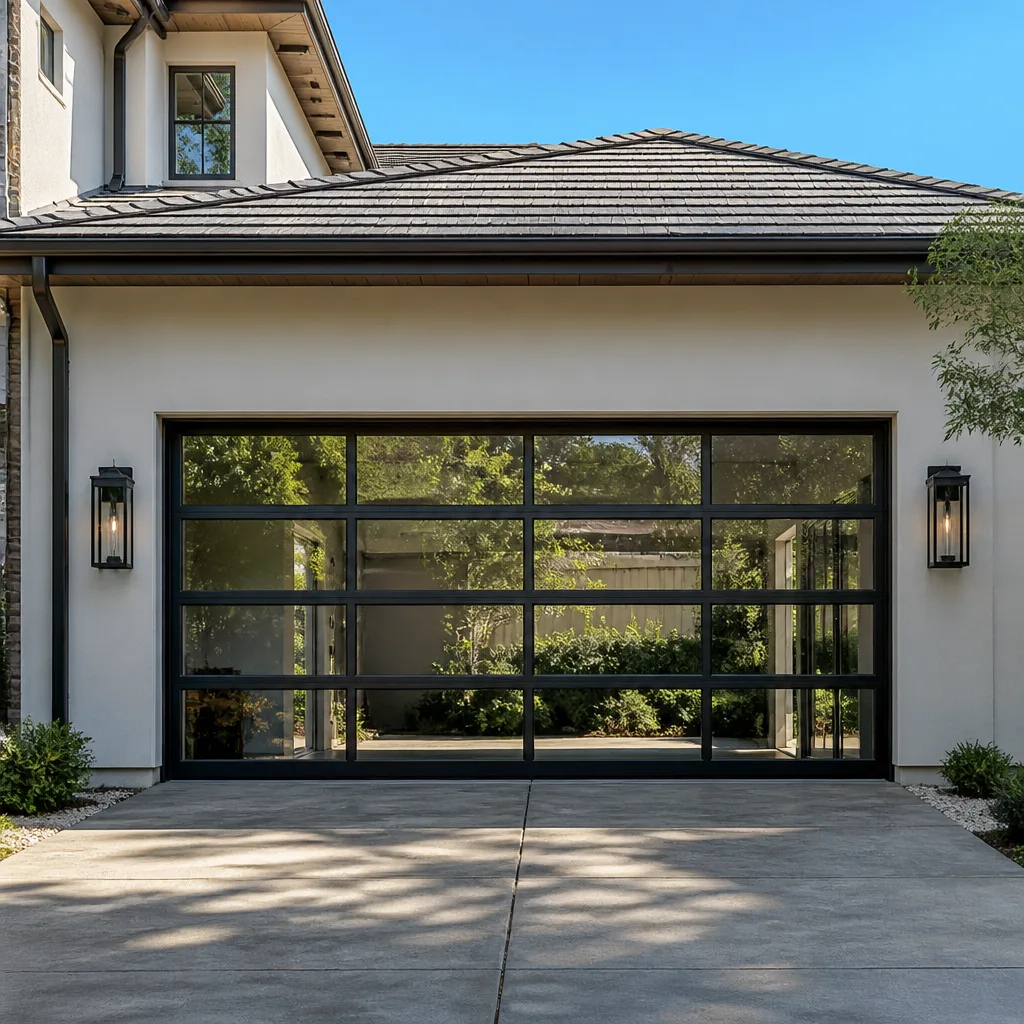 Full-view glass
 LiftMaster openers
 Chamberlain openers
Full 25-point door and opener safety check with every visit - springs, cables, rollers, tracks, and your LiftMaster or Chamberlain opener included
You get a price before we start. It does not change when the pro arrives.
Get your free estimateGarage Door Emergency Preparedness Guide for Bradenton Homes
Most garage door advice tells you to lubricate the rollers and listen for squeaks. That’s fine for a slow Sunday afternoon. It won’t help you when a spring snaps while a hurricane evacuation warning is already scrolling across your phone. Bradenton homeowners face two very different kinds of garage door emergencies: the everyday mechanical failure that happens on an ordinary weekday, and the storm-related failure that happens when you have minutes, not hours, to act. The response to each is completely different, and mixing them up wastes the little time you have. This guide walks you through both. We cover how to open a dead door without power, how to brace a compromised door before a storm, what to do in the first ten minutes of a spring or cable failure, and how to sort storm damage into an insurance claim versus an out-of-pocket fix. Print the reference card at the end and keep it in your garage.
Quick Answer
A garage door emergency in Bradenton is either a mechanical failure (broken spring, snapped cable, dead opener, door off its tracks) or a storm-preparation failure (a door that won’t close or has lost a panel with a hurricane approaching). Mechanical failures need you to stop using the door and call a specialist for same-day repair. Storm failures need you to secure the opening first and schedule service that fits the threat timeline. Knowing your manual release procedure and where your model number is printed can save you the minutes that matter most.
Styles & brands we work with
- Raised-panel steel
- Carriage house
- Modern flush
- Full-view glass
- LiftMaster openers
- Chamberlain openers
Table of Contents
- The Two Kinds of Garage Door Emergencies in Bradenton
- How Do You Open a Garage Door Without Power?
- The First 10 Minutes of a Spring or Cable Failure
- How to Temporarily Secure a Door Before a Storm
- Storm Damage: Insurance Claim or Out-of-Pocket Repair?
- Why Bradenton Humidity Wears on the Hardware You Don’t See
- Your Printable Emergency Reference Card
- When to Call a Professional
The Two Kinds of Garage Door Emergencies in Bradenton
Treating a storm emergency like a repair call, or a repair call like a storm emergency, is the single most common mistake we see. They call for opposite instincts. A broken torsion spring on a clear Tuesday is a “stop, don’t touch, call for service” situation. A door that won’t close with a hurricane making its way toward the Gulf is a “make it safe first, schedule the fix second” situation. The order of operations flips.
Bradenton gives you both. The summer storm season runs long here, and the wet season brings the kind of wind gusts that catch a panel and bend a track. Outside storm season, the daily use of a door in a household with cars, bikes, and lawn equipment wears down springs and openers like anywhere else. The American garage door is the largest moving object in most homes, and in Bradenton it works harder than most because it opens and closes year-round in heat and humidity.
Here’s how to tell which kind of emergency you’re in:
- Mechanical emergency: a loud bang from overhead, the door opens crooked, a cable goes slack, or the opener hums without moving the door. The threat is to your access and security, not the structure.
- Storm emergency: a hurricane or tropical system is forecast, the door won’t close fully, a panel is bent, or the opener has quit with no time to schedule a normal repair. The threat is to the weather seal and the security of the opening.
For mechanical failures, our garage door repair service is built for exactly this, and we treat spring and cable calls as their own dedicated specialty. For storm failures, the priority is bracing and getting the opening sealed, then coordinating the actual fix. Both are emergencies. Neither is the same kind of hurry.
How Do You Open a Garage Door Without Power?
Every automatic opener has a manual release, and almost no homeowner knows where it is until they need it. The release is usually a red handle hanging from a cord on the trolley (the carriage that rides along the rail from the opener to the door). Pulling that handle disconnects the door from the opener motor so you can lift it by hand. That single piece of knowledge is the difference between getting your car out before a storm and being stuck behind a door that won’t budge.
Find it before you need it. Here’s the procedure for a typical residential opener, including the LiftMaster and Chamberlain units common in Bradenton homes:
- Take the door’s weight off the opener first. If the door is down and the opener has failed, the door is fully supported by the floor. If it’s up, close it by hand if it’s safe to do so, or have someone support it lightly. Never let a heavy door drop.
- Pull the red release handle. It hangs below the trolley. Pull straight down and the trolley separates from the door arm. On some Genie models the release is a lever near the rail. Check your opener’s manual if you can’t locate it.
- Lift the door manually. With a properly balanced door you should be able to raise it with one hand. If it feels heavy, the springs may already be compromised. Stop and don’t force it.
- Prop or hold the door open if you can’t reattach it. If you can’t get it back onto the opener, secure the door in the open position with a brace or clamp so it doesn’t drop, then move your car.
- Re-engage the trolley. To reconnect, pull the release cord (some models) or simply run the opener and let the trolley click back onto the arm as the door moves past it.
On a storm night, do this walk-through in daylight and practice it once. A flashlight and a clear head are worth more than a working opener. If the release won’t move or the door won’t lift evenly, that’s a mechanical problem, not a power problem, and it’s time to call. Our team handles garage door opener repair for the full range of brands, from legacy Craftsman units to modern smart-drive systems.
The First 10 Minutes of a Spring or Cable Failure
A broken torsion spring or a snapped cable is loud, sudden, and genuinely dangerous. A torsion spring stores enormous energy, and when it fails it can whip with enough force to injure anyone standing under the door. A snapped cable lets the door drop crooked and can pull the door off its track. The first ten minutes are about safety, not repair. Here’s what to do:
- Step back and keep everyone away from the door. Don’t try to open or close it. Don’t lift it by hand to “test” it. Don’t park under it.
- Stop using the opener immediately. Pressing the button repeats the same motion that caused the failure and can snap a second spring or pull a cable farther.
- If the door is down, leave it down. A door resting on the floor is stable and secure. If the door is stuck open and unsafe, have two people slowly lower it by hand only if the door is light enough to control. If it feels too heavy, leave it open and call. Don’t fight a door with a broken spring.
- Clear the area under and around the door. Remove anything the door might drop onto. Keep kids and pets away.
- Photograph the damage. You’ll want the photos for insurance if storm damage is involved, and they help the technician understand what failed before arriving.
- Call for emergency service. Spring and cable work is not a homeowner job. Both the springs and the cables are under high tension and require trained technicians with the right tools and training. This is the highest-risk component of any garage door, and it deserves a specialist.
Our technicians have up to 12 years of experience on high-tension hardware, and our garage door spring repair is a standalone service because it’s the most common and most dangerous failure point. Get everyone safe, then call (844) 941-2329 and we’ll book you in for emergency service.
How to Temporarily Secure a Door Before a Storm
If a hurricane or tropical system is bearing down and your garage door won’t close or has lost a panel, you need to seal and brace the opening before the wind arrives. The goal is to hold the door in place and reduce the chance wind gets behind it and peels it back. What works:
- Horizontal bracing with 2×4 lumber. Cut boards to span the inside width of the door and press them firmly against the door at several heights. This is the most common and most reliable temporary measure. A door that can’t flex inward is far less likely to fail under pressure.
- A vertical brace or two through the center. A single board down the middle reinforces the weakest part of the panel and helps distribute force. Combine it with horizontal bracing.
- Wood or steel bracing kits. Pre-made brace kits are sold for storm preparation and are sturdier than raw lumber. If you live in a Bradenton home that has already weathered a storm, this is the upgrade worth making before the next one.
- What doesn’t work: tape on the windows (weathering aside, tape doesn’t hold a door), rope or bungee cords across the door (they stretch), and leaning furniture against the door (it slides and can become a projectile).
Two practical notes for Bradenton. First, bracing has to happen from the inside, so you need clearance to stand against the door. Clear the garage floor before storm season, not during a warning. Second, if the door won’t close because of a bent track or a dead opener, bracing is the stopgap and the repair comes after the storm passes. Book that repair early so it doesn’t queue behind everyone else who waited. We can work with your insurer on covered damage and give you a written estimate for the repair itself.
Storm Damage: Insurance Claim or Out-of-Pocket Repair?
Not every bent panel or dead opener is an insurance claim. Storm damage usually is a claim when wind, flying debris, or water intrusion caused damage to a door that was in good condition. Normal wear (a spring that failed on its own, a tired opener) is a repair, not a claim. Telling the two apart up front saves you a deductible and a phone call to your agent.
Here’s a simple sorting guide:
- Likely a claim: a panel dented by wind-driven debris, a door blown in or off its track during a storm, water damage traceable to a storm, or an opener that took a power surge during the storm. The damage is storm-caused and not pre-existing.
- Usually not a claim: a worn spring that snapped during normal use, a cable that failed from age, or an opener that has slowly quit over months. These are wear, not weather.
Gather documentation immediately. This is what adjusters ask for, and what protects you if the damage is disputed:
- Photograph the whole door and the specific damage from multiple angles, with something for scale if you can.
- Photograph the model and serial number. The sticker is usually on the inside of the door or near the opener. The estimator will look for it too.
- Note the date and the storm. Write down when the damage happened and which storm was active.
- Keep the repair receipts if you had to secure the door as an emergency measure.
- Get a written estimate for the full repair or replacement. We can give you a written estimate that supports your claim and works with your insurer as needed.
A written estimate that separates the emergency securing (bracing, temporary fix) from the permanent repair makes the claim cleaner. That’s one reason we quote in writing before any work starts.
Why Bradenton Humidity Wears on the Hardware You Don’t See
Bradenton’s humidity is not a dramatic threat, but it’s a steady one. It works on the parts of your door you never look at: the metal hinges, the track, the rollers, and the bottom seal. Left alone in a hot, damp garage, these parts can rust, seize, or dry out over a season or two. Humidity doesn’t cause many emergencies on its own, but it quietly shortens the life of the hardware that prevents them. The most common failures, springs and cables, are inside the door and easy to forget, which is why they fail without warning.
The practical maintenance isn’t hard:
- Look at the tracks. A thin coat of surface rust is cosmetic. A track that’s pitted or rusted to the point the rollers drag needs a look.
- Check the bottom seal. A brittle, cracked seal lets rain and pests in and lifts the door slightly, which adds strain. Replace a failing seal before storm season.
- Listen to the door. Grinding, a wobble, or a door that won’t close evenly is an early sign of a hardware problem. It’s also a sign not to wait.
- Schedule a spring and cable inspection if your door has been in service for years and you’ve never had it looked at. It’s the part of the system that fails most and is hardest to see.
This is where our brand knowledge pays off. We service the brands already in Bradenton garages, including Raynor, LiftMaster, Chamberlain, and Genie. We diagnose faster on the door you have, so the inspection and the fix happen together. And because our single focus is garage doors, from hardware to openers, the person who looks at your springs understands your whole system, not just the one piece.
Your Printable Emergency Reference Card
The single most useful thing you can do this week is make an emergency card and keep it in the garage. When a spring snaps or a storm turns, you won’t want to search for the release procedure or your model number. Write it down, or print this section, and tape it to the wall near the opener.
Fill in the blanks on your card before you need it:
- Local emergency service number: (844) 941-2329
- Your door brand and model number: ____________ (sticker on the inside of the door)
- Your opener brand and model number: ____________ (sticker on the opener housing)
- Location of the manual release handle: ____________
Key steps to list on the card:
- If the door is stuck or the opener is dead, pull the red release cord and lift the door by hand.
- If the door is crooked, a cable is slack, or a spring has snapped, stop. Don’t use the opener. Keep people clear and call.
- If a storm is coming and the door won’t close, brace the inside with horizontal 2×4 boards at several heights.
- Photograph any storm damage, the door’s model sticker, and the opener’s model sticker before you move anything.
- Call for emergency service and have your model numbers ready.
Keep the card where anyone in the household can find it, and walk through the manual release once so the procedure is familiar. A card helps most when the routine behind it is rehearsed.
Common Mistakes to Avoid
- Forcing a door with a broken spring. If the door is too heavy to lift easily, the spring is compromised and the opener will make it worse. Don’t press the button to “try” it. Call instead.
- Skipping the manual release practice. Knowing the release exists isn’t the same as knowing how it works when the light is out and the situation is urgent. The release is useless if no one has ever pulled it.
- Bracing from outside. Bracing only works from the inside, pressing against the door’s inner face. Boards laid against the outside of the door do nothing to stop inward flex.
- Treating storm damage as ordinary repairs. If wind or flying debris caused the damage, document it properly before fixing it. Skip the photos and the claim is harder to support.
- Using tape or rope to secure a door. Neither holds under wind. Use lumber or a bracing kit, and a good bottom seal, and skip the shortcuts.
- Waiting for a repair while a storm warning is active. If a door won’t close and a tropical system is coming, secure the opening first and schedule the repair after the storm. Don’t be the homeowner waiting for service while the wind builds.
- Ignoring the model number. The door and opener brands and model numbers are on stickers inside the garage. Find them now so the technician and the insurance call don’t stall waiting for information you could have written down in advance.
See the difference
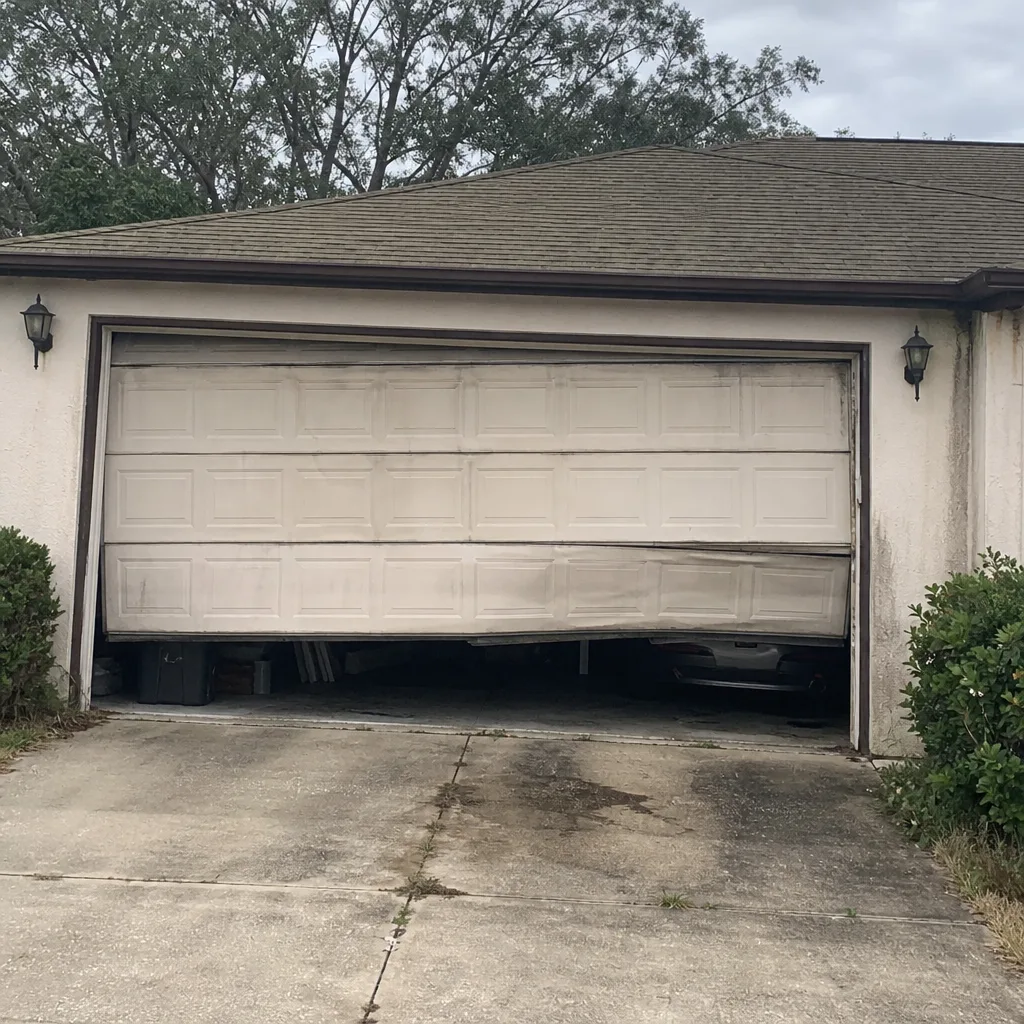 Before
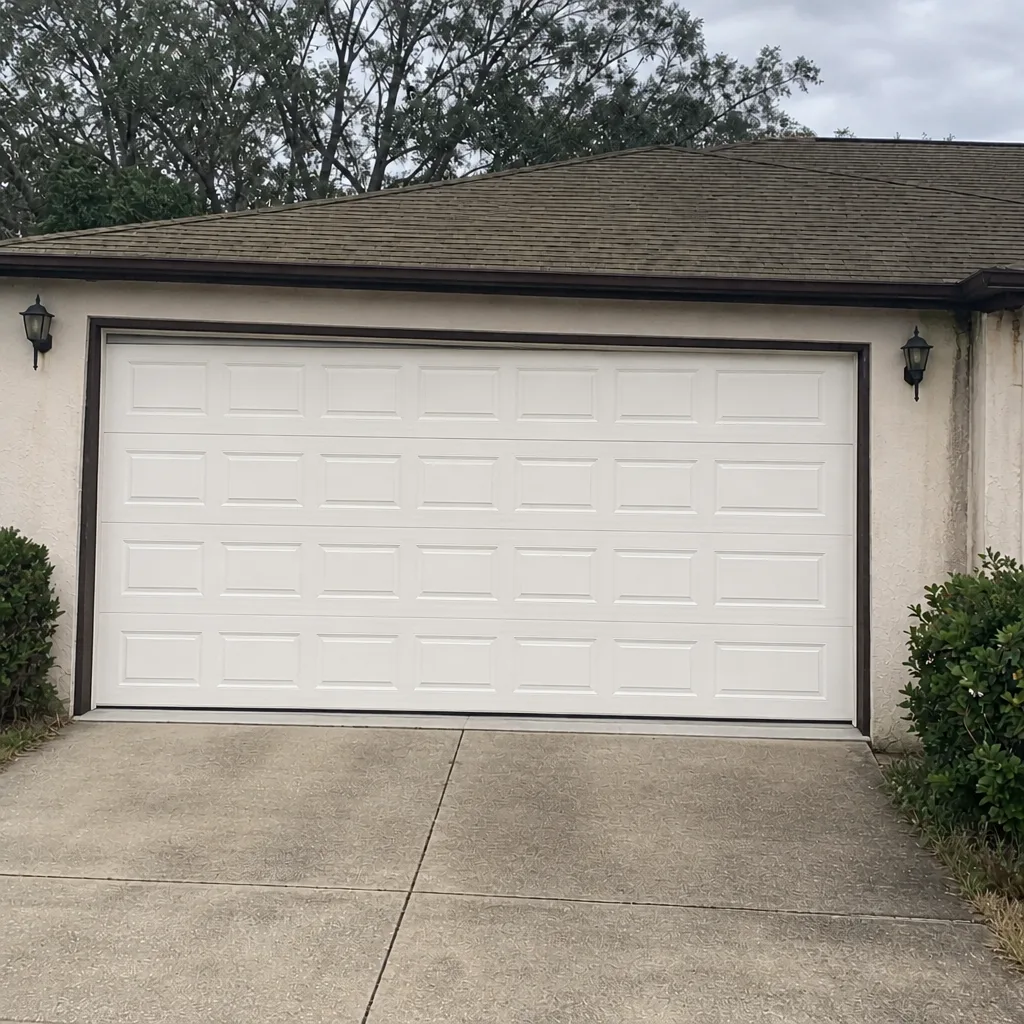 After
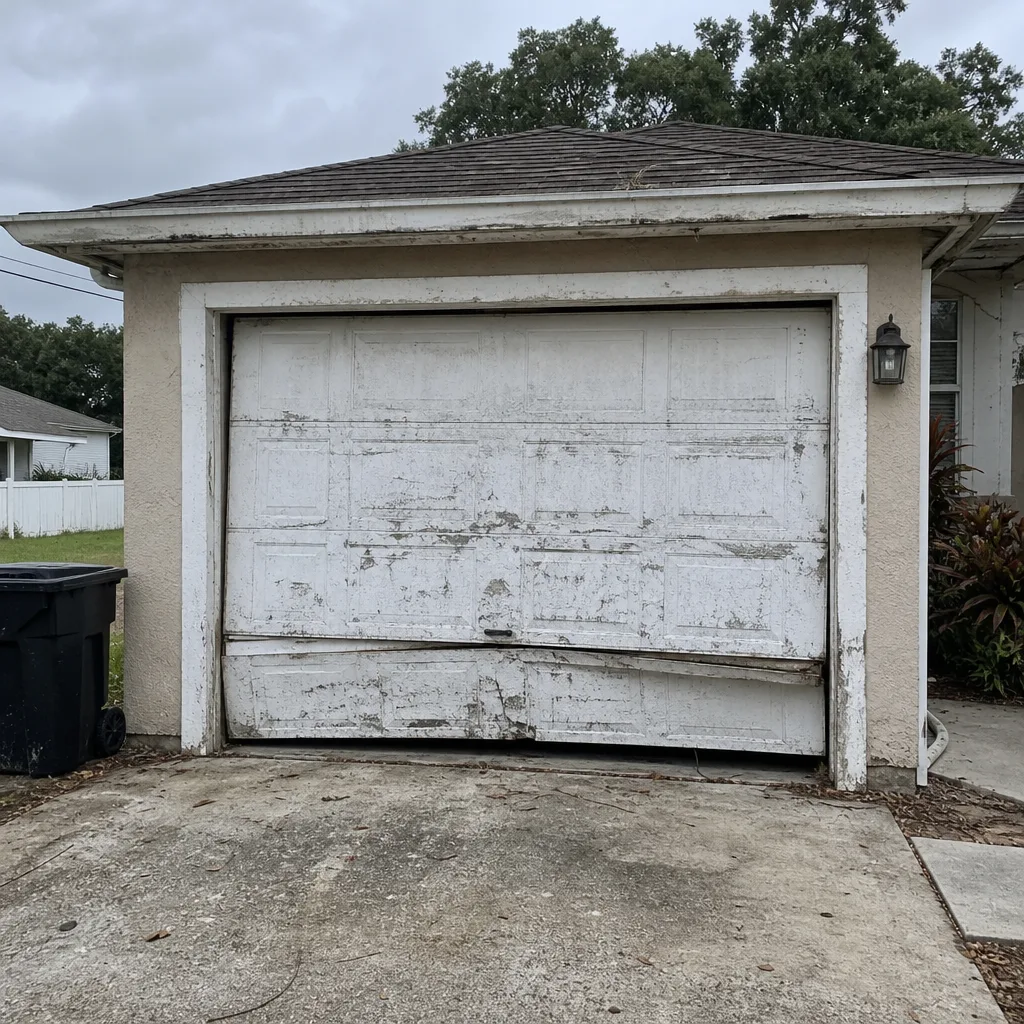 Before
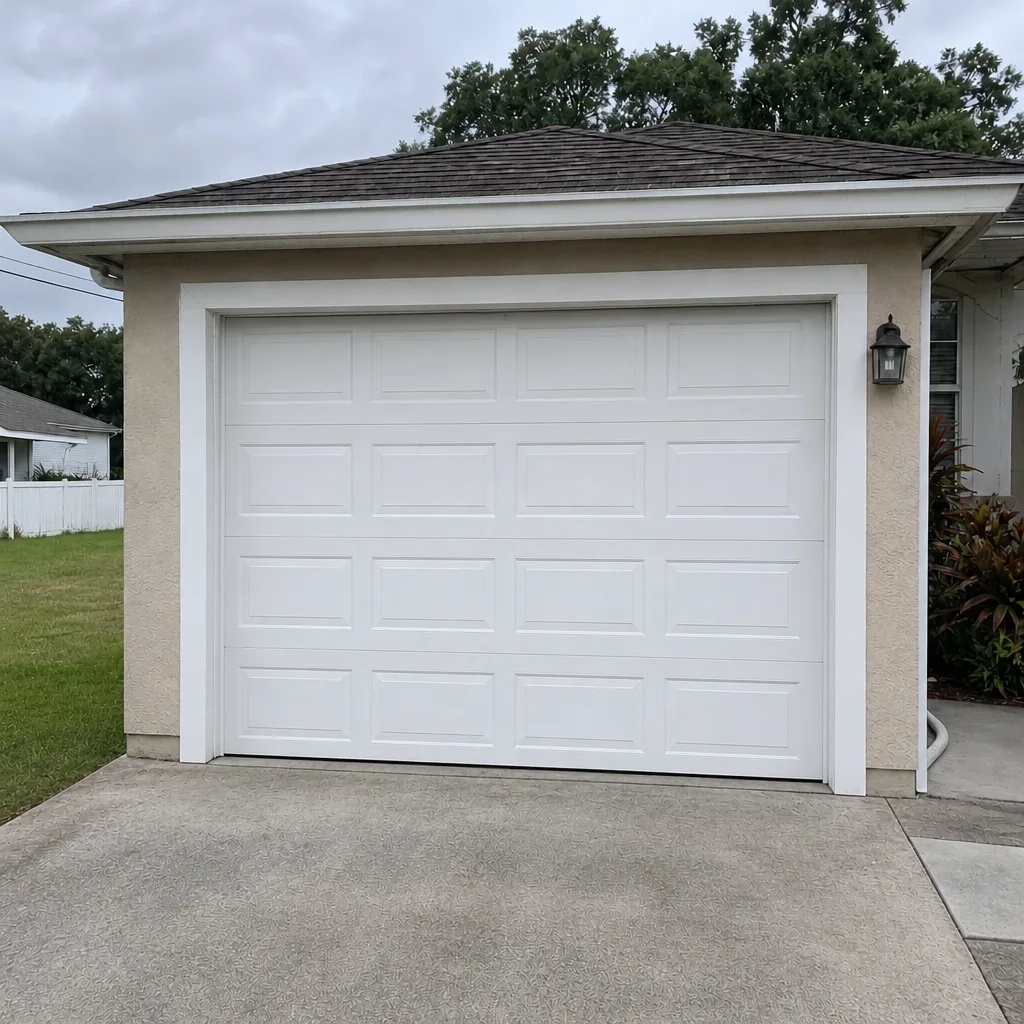 After
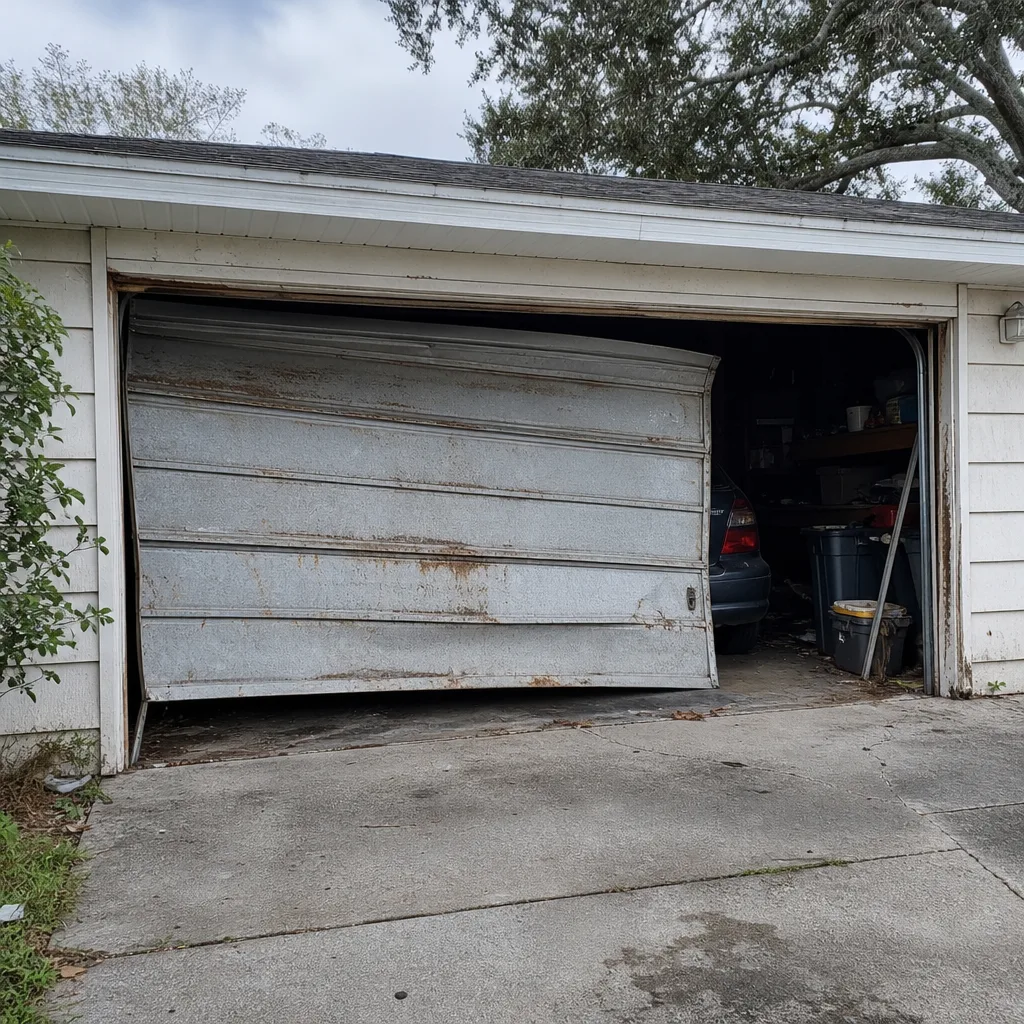 Before
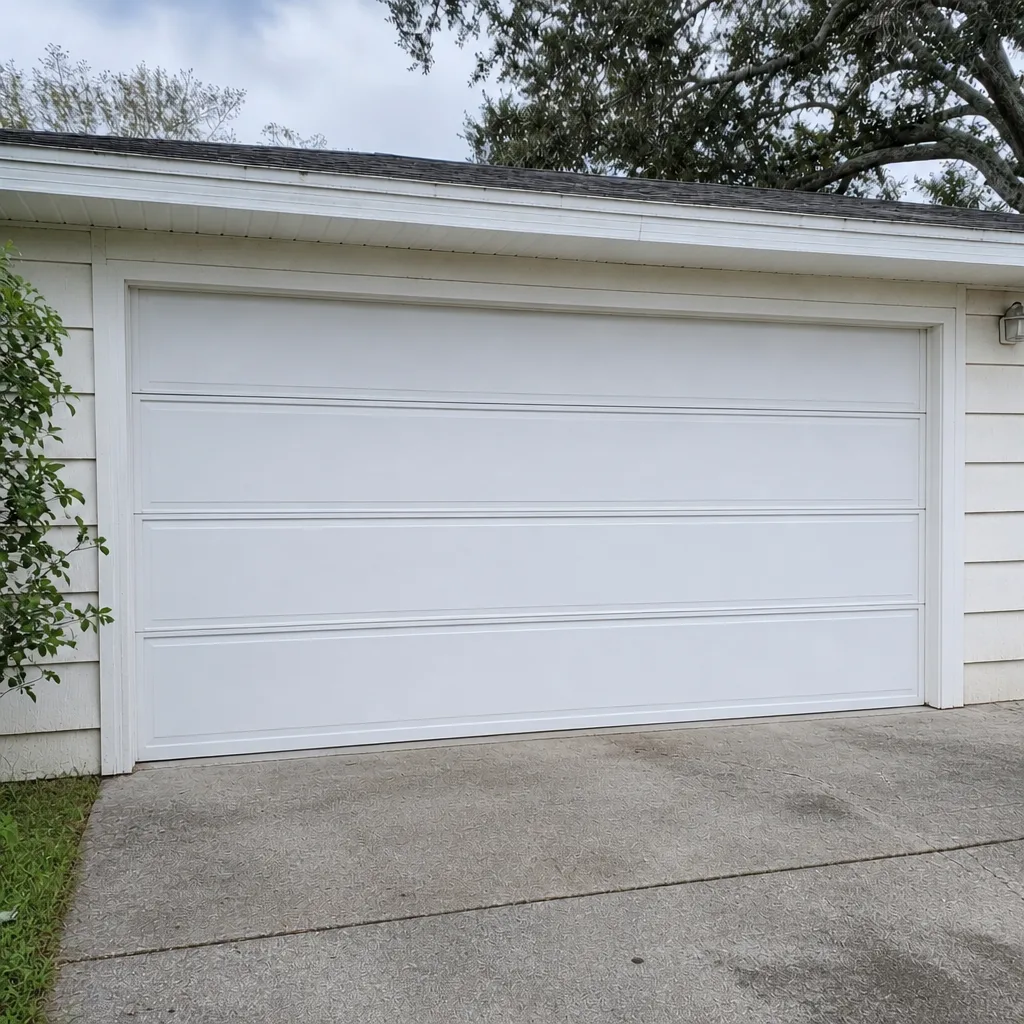 After
When to Call a Professional
Call a professional for any broken spring, snapped cable, door off its tracks, opener that hums without moving the door, or a storm-damaged door you can’t safely secure yourself. Also call if the door won’t close evenly, if you see a gap along the bottom seal, or if the manual release won’t move or the door feels dangerous to lift. These are all high-tension, high-weight components. A trained technician with the right tools and training is the only safe way to handle them. Bradenton Garage Door Repair Pros offers free estimates in Bradenton – call (844) 941-2329. We cover repair, opener repair, spring repair, installation, and emergency garage door service, and we work on the brands already in your garage. Every price is quoted and agreed before any work starts, so you know the written estimate is the price.
Frequently Asked Questions
Yes, we offer same-day and emergency garage door service for urgent situations like a broken spring, a snapped cable, or a door off its tracks. Call (844) 941-2329 and we’ll book you in as quickly as we can. Fast dispatch runs from 7am to 7pm, and estimates are free.
Pull the red manual release handle that hangs from the trolley on the opener rail. That disconnects the door from the motor so you can lift it by hand. If the door feels too heavy to lift easily, don’t force it, because that usually means a spring problem, and it’s time to call.
Yes, treat it as one. A broken torsion spring means the door is holding full weight on its cables, and it can drop or whip unpredictably. Keep everyone clear, don’t use the opener, and call for emergency service. Spring repair is high-tension work and needs a trained technician.
Yes, if a hurricane or tropical system is forecast and your door won’t close or has lost a panel, brace it from the inside with horizontal 2×4 boards and a vertical board down the center. Secure the opening first, then schedule the permanent repair after the storm passes. Call us to coordinate the fix.
It usually does if wind, debris, or water from a storm caused the damage, and it usually doesn’t if the failure was normal wear like a worn spring. Photograph the damage and your door’s model sticker right away, keep any emergency securing receipts, and get a written estimate. We can work with your insurer and give you a written estimate that supports your claim.
No, the written estimate sets the price. We quote and agree before any work starts, so there are no surprises on the invoice. Call (844) 941-2329 for an exact quote, and estimates are free.
The Bottom Line
Garage door emergencies in Bradenton split into two tracks. Mechanical failures (broken springs, snapped cables, dead openers) need you to stop using the door and call a specialist for same-day repair. Storm failures need you to secure the opening first with inside bracing and a good seal, then schedule the repair. Know your manual release procedure, keep the door and opener model numbers written down, and print the reference card. When something breaks, don’t force a door that’s too heavy to lift. Get clear, call (844) 941-2329, and we’ll get it fixed. Our technicians have up to 12 years of experience, we work on the brands already in your garage, and every price is quoted and agreed before any work starts. For a broader look at everything we handle, start with Bradenton Garage Door Repair Pros.
Written by the team at Bradenton Garage Door Repair Pros.