Last updated November 21, 2026
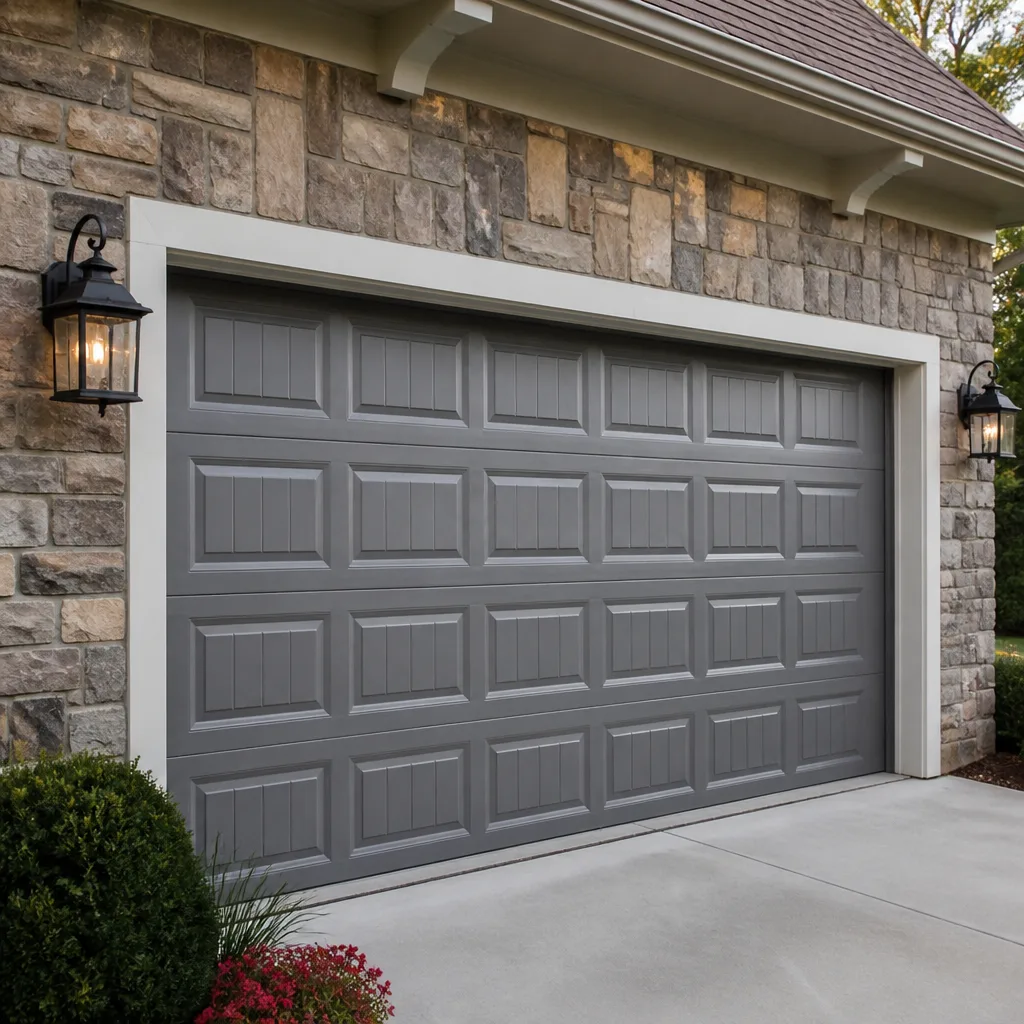 Raised-panel steel
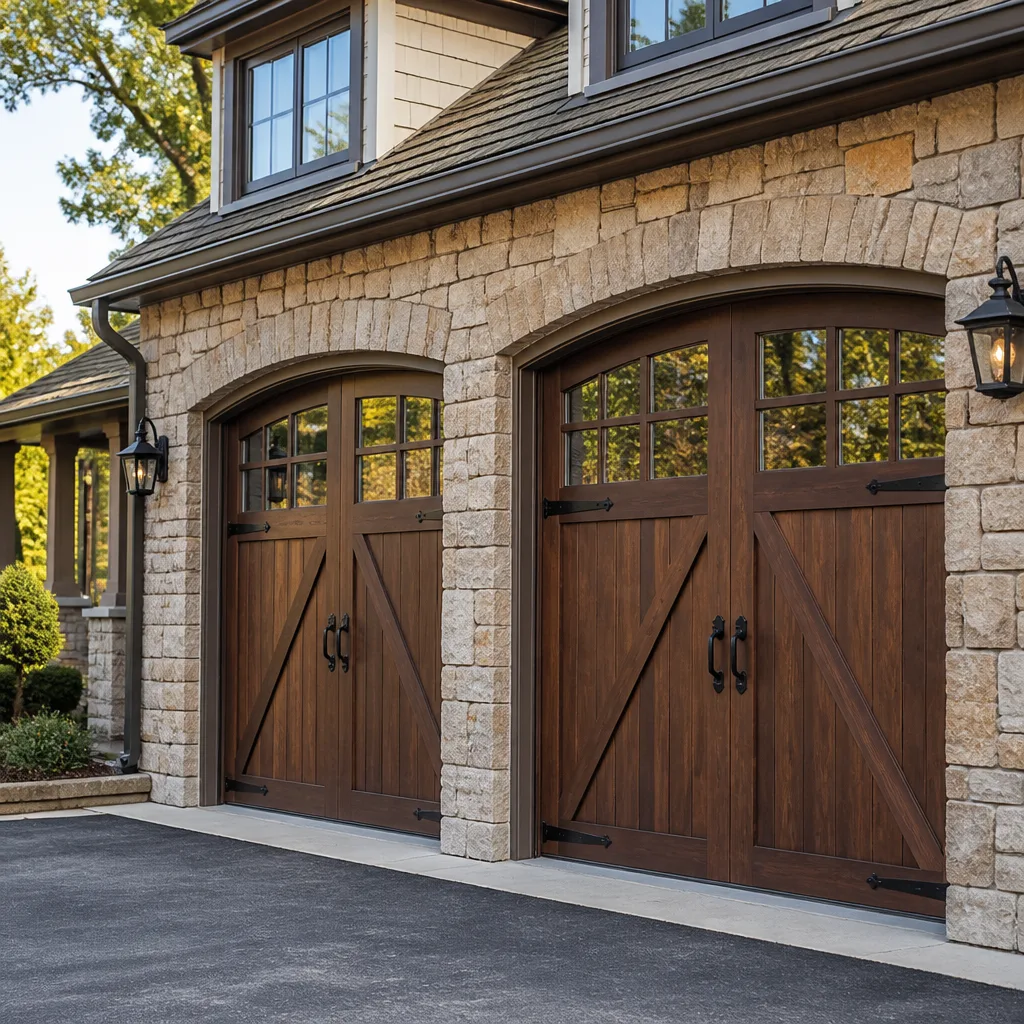 Carriage house
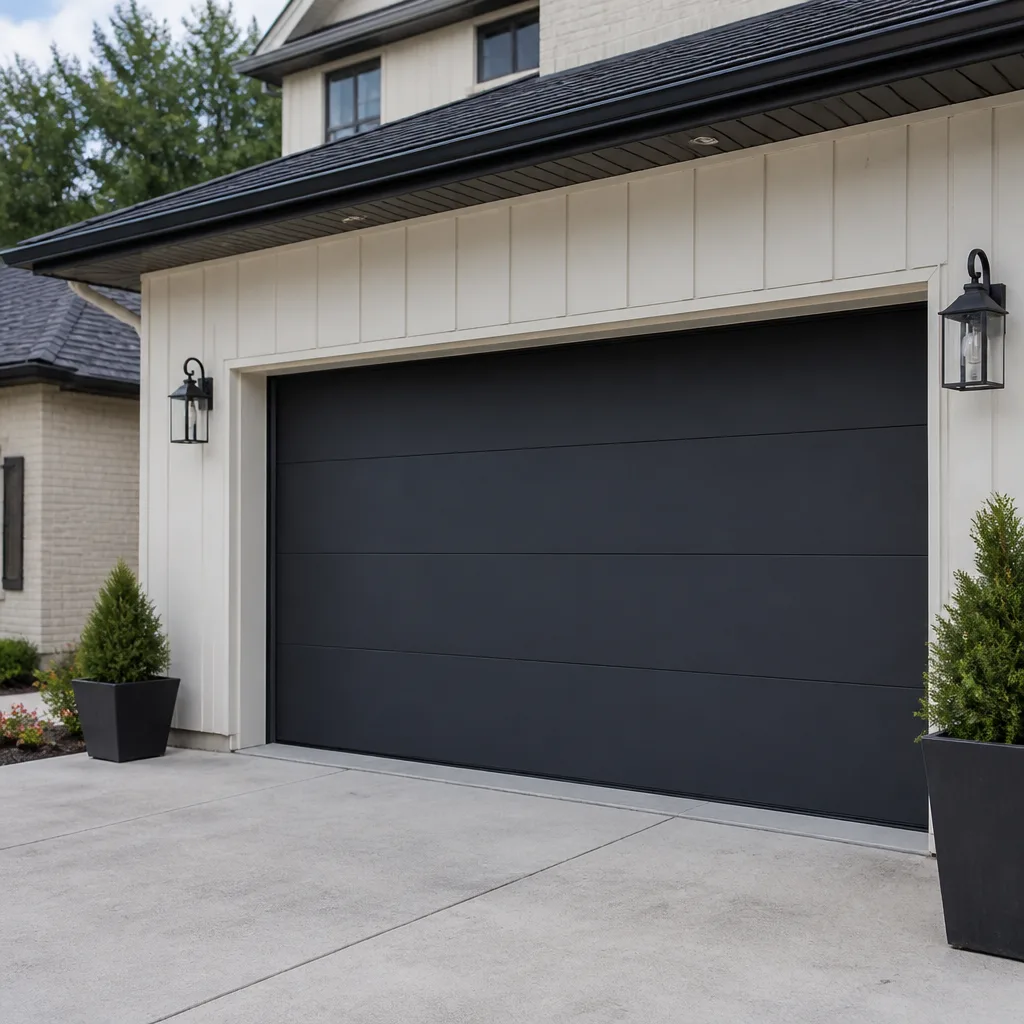 Modern flush
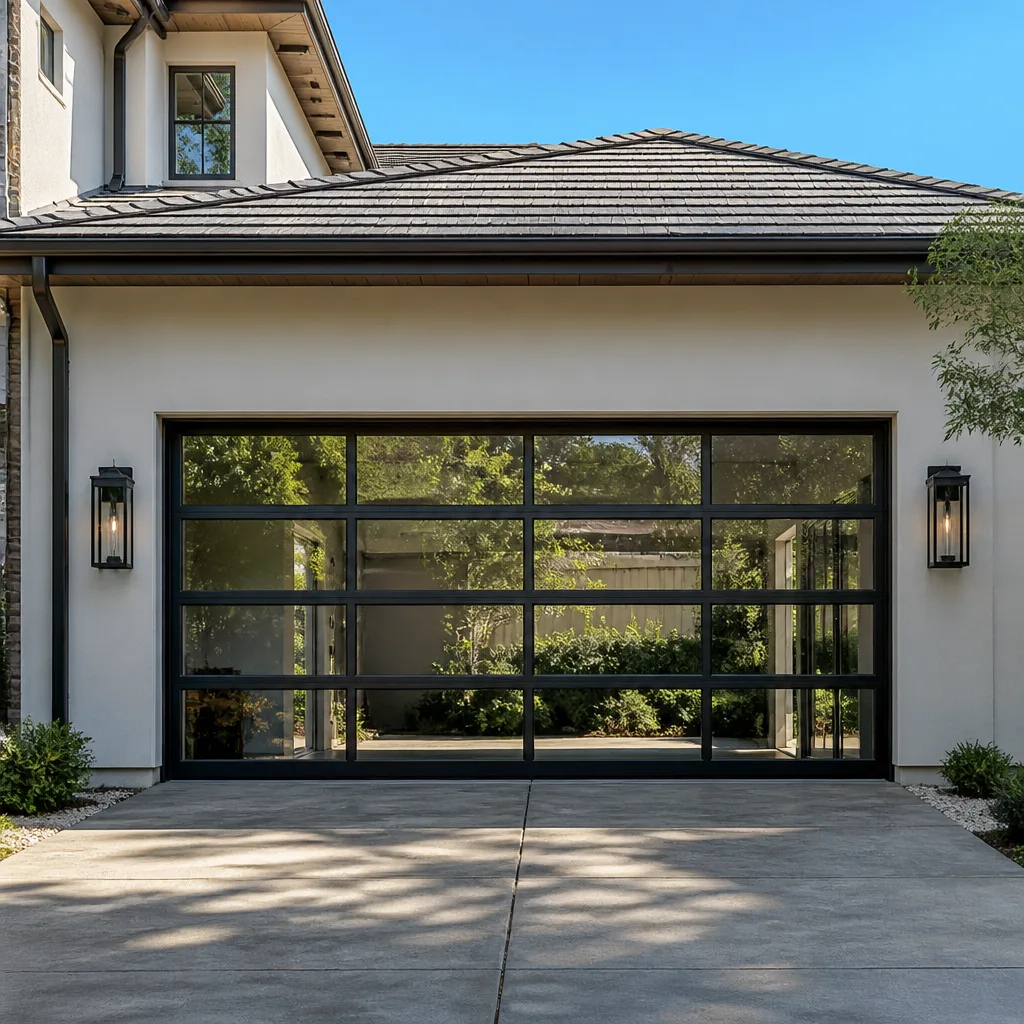 Full-view glass
 LiftMaster openers
 Chamberlain openers
Full 25-point door and opener safety check with every visit - springs, cables, rollers, tracks, and your LiftMaster or Chamberlain opener included
You get a price before we start. It does not change when the pro arrives.
Get your free estimateGarage Door Warning Signs: A Bradenton Homeowner’s Reference Guide
A garage door that opens slower than it used to isn’t a minor annoyance. It’s a spring under reduced tension telling you it has a finite number of cycles left before it snaps. The question is whether that happens at 7 a.m. with your car under it. Most garage door failures announce themselves well in advance, through sounds, timing changes, and visual cues that homeowners have learned to tune out. This guide pairs each warning sign with a plain-language explanation of what’s actually failing and how urgent it is, so you know which problems you can watch and which mean stop using the door today. We’ve written it for Bradenton homes, where humidity, heat, and near-daily use put specific stress on these systems.
Quick Answer
The most serious garage door warning signs are a door that reverses without hitting anything, a snapped or visibly stretched spring, a cable hanging loose, and a door that comes off its tracks. These mean stop using the door and call a technician, because the hardware is under high tension and can fail dangerously. Slower opening, new squeaks, and a slightly uneven door are “watch it” signs that warrant a service call before they become failures. In Bradenton’s humid climate, watch for rust on springs and cables and weather seals that have cracked and pulled away.
Styles & brands we work with
- Raised-panel steel
- Carriage house
- Modern flush
- Full-view glass
- LiftMaster openers
- Chamberlain openers
Table of Contents
- The Symptom-to-Cause Table: What Each Sign Actually Means
- “Watch It” Versus “Stop Using the Door”
- How Bradenton Humidity Changes the Warning Signs
- Why Intermittent Problems Are Often More Serious
- The Three Signs Bradenton Homeowners Most Often Dismiss
- Reading the Sounds Your Door Makes
- Opener Warning Signs: When the Motor Is the Problem
- How to Document a Problem Before the Technician Arrives
The Symptom-to-Cause Table: What Each Sign Actually Means
Here’s the reference you’ll come back to. Each warning sign maps to the mechanical cause behind it, and to how urgently you should act. This is the part most guides skip: they list symptoms without telling you what’s failing.
| What You Notice | What’s Likely Failing | Urgency |
|---|---|---|
| Loud bang from the garage, door won’t lift | Broken torsion or extension spring | Stop using the door |
| Door opens a foot then stops or reverses | Spring tension loss or opener force limit | Stop using the door |
| Cable hanging loose or frayed | Cable snapped or off its drum | Stop using the door |
| Door comes off the tracks or hangs crooked | Roller, track, or panel damage | Stop using the door |
| Door closes partway then reverses | Safety sensor misalignment or obstruction | Watch it, check sensors first |
| Door moves slower than it used to | Springs losing tension, or opener motor strain | Watch it, book service soon |
| Squealing, grinding, or scraping | Dry or worn rollers, hinges, and bearings | Watch it |
| Visible gap at the bottom or sides | Weather seal failure | Watch it, fix before rainy season |
| Door shakes or judders while moving | Worn rollers or unbalanced door | Watch it |
| Opener runs but door doesn’t move | Broken spring, or opener drive gear | Stop using the door |
Treat this table as a triage tool, not a diagnosis. A trained technician confirms the cause with the door in a controlled position. What the table does is tell you whether to keep pressing the button. If your sign lands in the “stop” column, don’t.
“Watch It” Versus “Stop Using the Door”
The single most useful distinction in this guide: some warning signs mean schedule service, and some mean park outside and call today. Knowing which is which protects your car, your door, and the people in your household.
Signs you can watch
- Gradually slower opening or closing
- New squeaks and grinding that don’t affect movement
- A door that shakes or runs unevenly but still completes its travel
- Cracked or peeling weather seals
- Light rust spotting on springs and hardware
These are early-stage signals. The door still works, and a routine service call addresses them at the lowest cost. Book it soon rather than waiting for the next sign to pile up.
Signs to stop using the door
- Any loud bang followed by a door that won’t lift
- A visible gap in a torsion spring coil, or an extension spring stretched out of shape
- A cable hanging slack, frayed, or off the drum
- Tracks bent out of line, or a door that has jumped the track
- A door that reverses on its way down without hitting anything
- The opener runs but nothing moves
These involve high-tension hardware. A torsion spring stores enough force to move a door weighing hundreds of pounds, and a failing one can release that force suddenly. That’s not a component to inspect by hand. This is why we treat spring repair as its own discipline and send technicians trained for high-tension work, not a generalist fitting it between other jobs.
How Bradenton Humidity Changes the Warning Signs
Bradenton’s Gulf Coast humidity doesn’t just make the air feel heavy. It changes how garage door systems age and which warning signs show up first. The metal components most exposed to warm, moist air are the springs, cables, hinges, and the bottom seal, and those are exactly the parts that fail quietly here.
Corrosion indicators to watch for
- Orange or brown rust spotting on torsion and extension springs
- Cables that look dull, chalky, or stiff rather than oily and flexible
- White powdery residue around hinges and fasteners
- Rollers that squeal when the door starts moving
Weather seal failure patterns
The bottom rubber seal takes the most abuse. In Bradenton, UV exposure and humidity combine to harden the rubber and pull it away from the door edge. Check for a visible gap of light under the door when it’s closed. A failing seal lets in water, insects, and warm air, and it makes the whole garage feel damp. That dampness then accelerates rust on the hardware above, so a $30 seal left to fail can shorten the life of components below it.
A door that’s sluggish or stiff can also be an opener straining against a mechanism that’s fighting it. We’ve found that heat and humidity make worn parts drag more, which magnifies any existing tension loss. That’s part of the reason our garage door opener repair work always includes a mechanical inspection of the door itself, not just the motor.
Why Intermittent Problems Are Often More Serious
Homeowners tend to rank problems by frequency: a door that fails every time is treated as urgent, and one that fails every tenth time gets ignored. In our experience it runs the other way around. Consistent, predictable failures usually point to one worn part with a clear cause. Intermittent ones are harder to pin down, and they often have more than one contributor.
Think about what “intermittent” actually describes. The door reverses sometimes, not always. The opener fails to respond now and then. The light flickers on certain days. Each of those can come from:
- Loose electrical connections that shift with temperature and vibration
- A force or travel limit setting that’s right at the edge of what the door needs
- Springs operating near the end of their cycle life, losing tension unevenly
- Safety sensors with a marginal alignment that drops out when the door shifts
- A failing opener logic board or motor capacitor that works until it doesn’t
Any of these can go from “sometimes” to “never” without warning, and the failure often comes at the worst moment. A force limit set marginally high is masking a mechanical problem; the opener overpowers it until the day the spring gives out entirely. Intermittent is a signal to investigate, not a sign the problem is minor.
If your opener is a legacy Craftsman or an older unit and it’s starting to behave unpredictably, that’s the point to call. Modern LiftMaster and Chamberlain systems have diagnostic features a technician can read; older units need eyes and hands on the door. We’re equipped for both.
The Three Signs Bradenton Homeowners Most Often Dismiss
We’re not going to invent statistics, but we can tell you which warning signs we hear described after a failure. These three come up repeatedly, and all three usually trace back to a full spring or cable failure that was building for weeks.
1. The door hesitates before it moves
A half-second pause between pressing the button and the door moving doesn’t feel alarming. It’s often a spring that has lost some of its lift, so the opener is doing more of the work than it should. The door still opens, so the homeowner assumes it’s fine. Then the opener eventually can’t overcome the dead weight, or the spring snaps outright.
2. The door opens at an angle, then levels out
A slight tilt on the way up that corrects itself looks cosmetic. It usually means uneven tension between two springs on a two-spring door, or one spring on a single-spring door that’s on its way out. Ignore the tilt and you’re riding the failure out. A matched pair of springs is normally replaced together, so a tilt is the moment to have both looked at.
3. The door feels heavier than it used to
When you lift a door manually to check it, or when you notice you’re used to how heavy it feels, a gradual change is easy to miss. A properly balanced door should lift with one hand. If lifting it takes real effort, or it doesn’t hold itself up halfway, a spring or balance issue is developing. That’s the classic setup for a full spring or cable break.
We see this pattern across the brands we service. Whether your door is a Wayne Dalton, a Raynor, or a common builder-grade model, the physics are the same: a spring that can’t carry its share leaves the door heavy, and a heavy door works everything else to failure. Having us out to check it is far cheaper than an emergency call once something snaps.
Reading the Sounds Your Door Makes
Sound is often the earliest warning sign, and it’s the one people adapt to fastest. A door that’s started a new noise and kept it for weeks stops registering as a warning. Here’s how to read the main categories.
- A loud bang, then a door that won’t lift: that’s the sound of a spring breaking. Stop using the door.
- Grinding or scraping: usually worn rollers, a dry track, or a cable rubbing somewhere it shouldn’t. Check the tracks for debris and look for metal shavings under the door.
- Squealing or high-pitched whine: dry or worn rollers and hinge pivots. This is lubrication and replacement territory, not a failure sign, but left alone it leads to one.
- Rattling or vibration at speed: worn rollers or a door that’s come out of balance.
- A rhythmic thumping: a bent or loose hinge, or a roller that’s jumped partway out of its track.
Cables and springs are the quiet parts of the system until they fail loudly. In our experience, the sound you hear on day one of a problem is the one a technician can trace. The sound you’ve heard every day for a month is the one that becomes hard to separate from normal operation.
Opener Warning Signs: When the Motor Is the Problem
Half of the “warning signs” homeowners notice turn out to be the door, not the opener. The other half really are the opener. These signals point to the motor, control board, or safety system rather than the springs and cables.
Signs the opener itself is failing
- The lights flicker or the opener resets itself
- The opener responds to the wall switch but not the remotes (or vice versa)
- It runs for a second, then stops and resets
- The motor hums but the chain or belt doesn’t move (stripped drive gear)
- Force limits need constant adjustment to keep the door moving
What these signs usually mean
Flickering and resets point at the control board or the power supply. Remote-only failure is usually the receiver or a dead battery in the remote, a quick fix in either case. The motor humming with no movement is a mechanical failure inside the head unit. Force limits that need constant adjustment are the tricky one: they often mean the door has developed resistance (cable, roller, or spring) and the opener is being asked to compensate.
It helps to know the unit. A modern LiftMaster or Chamberlain opener reports diagnostic behavior that a technician can read quickly. An older Craftsman or Genie needs to be tested the same way we test its drive system. When you call, tell us the brand and, if you can, the model number on the label under the cover. Our garage door repair service covers openers and doors together for that reason.
How to Document a Problem Before the Technician Arrives
An intermittent problem is much easier to diagnose when you bring notes. The ten minutes it takes to write things down saves time on the visit and improves the odds the technician finds the actual cause rather than an educated guess.
Steps to document a garage door problem
- Write down the exact symptom. “The door reverses partway down” is more useful than “it’s broken.” Note whether it’s the up or down direction.
- Record when it happens. Morning versus afternoon, first press versus several presses later, hot day versus cool. Pattern matters.
- Note the frequency. Once a week, once a day, once a month, or every time.
- Test the safety sensors. With the door open and clear, wave an object in front of the sensors and confirm they’re aligned and the opener’s light reacts. Write down whether it does.
- Note the brand and model. Check the label under the opener cover. If it’s a Wayne Dalton, Raynor, LiftMaster, or anything else, tell us on the call.
- Take photos. Springs, cables, tracks, and the bottom seal. A photo of a warm day’s rusty spring tells a technician a lot before they arrive.
- Don’t keep pressing the button. If the door is in the “stop” column, park outside and leave it until you’ve spoken to someone.
If you’re not sure which column your symptom belongs in, call and describe it. The person on the phone can tell you whether to leave the door down or try once more.
Common Mistakes to Avoid
- Trying to inspect or service a spring yourself. Torsion springs are under high tension and can release stored force with a touch. Beyond a visual check like “is there a visible gap?”, springs aren’t a DIY component. Call a technician trained for high-tension hardware.
- Adjusting the opener force limit to get past a stall. Raising the force limit makes the opener work harder against a mechanical problem instead of fixing it. It masks the real issue and wears out the opener faster.
- Ignoring the intermittent problem because the door “usually works.” Intermittent failures often indicate a component at the end of its life. “Usually works” has a way of becoming “quit on me” at the least convenient time.
- Letting a cracked weather seal go. In Bradenton’s humidity, a failed seal lets moisture and insects in and accelerates rust on the hardware above. Replacing it is cheap and it protects parts that aren’t.
- Replacing the whole door when a part fails. Panels and springs and openers are replaceable individually. A specialist diagnoses which component failed and fixes that, rather than recommending a full replacement out of convenience.
- Using a general handyman for a garage door repair. Spring work and opener diagnostics are a specialty. Someone who also does bathrooms and decks won’t have the training or the parts to do it properly. Our focus is one trade, which is why our technicians are trained on the brands they’ll actually see.
- Waiting for the tilt or the bang before calling. The whole point of learning the warning signs is to act on the early ones. A service call in the “watch it” phase is far cheaper and less stressful than an emergency call in the “stop” phase.
See the difference
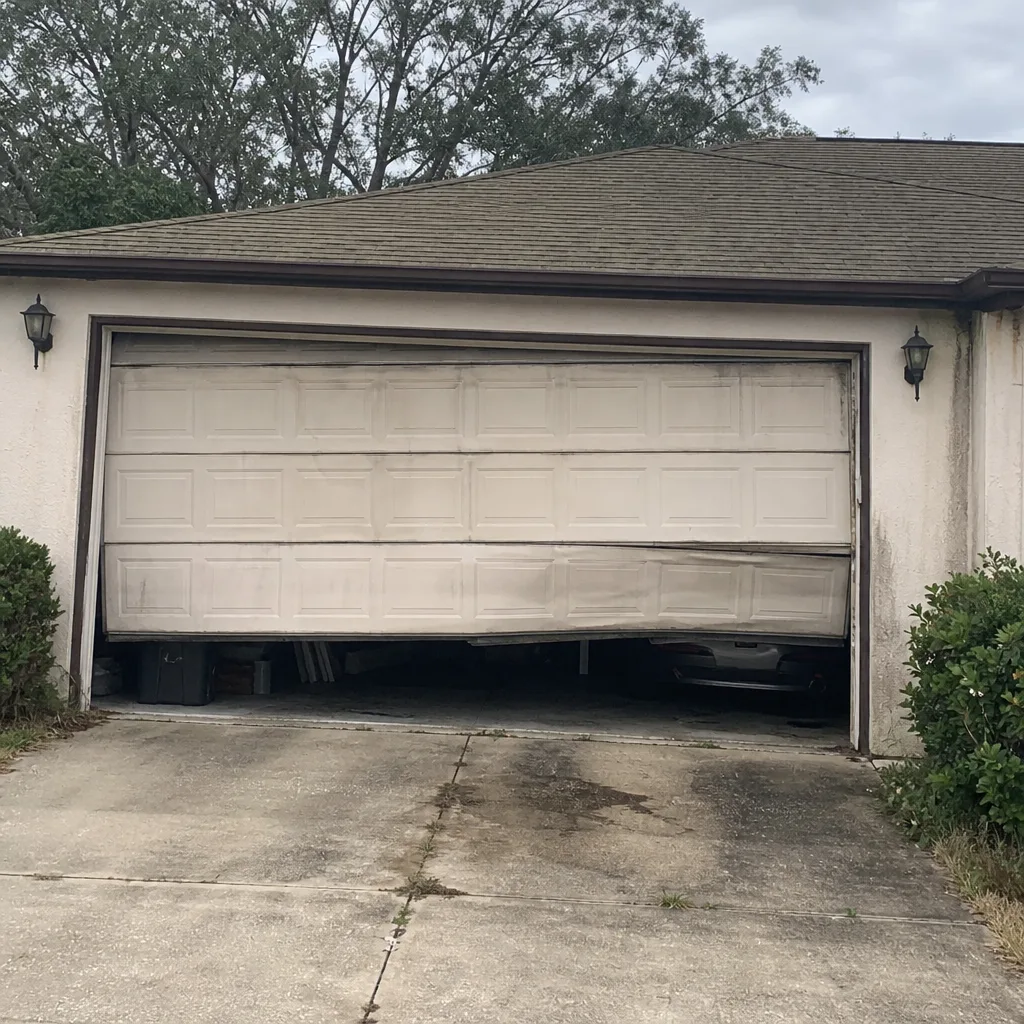 Before
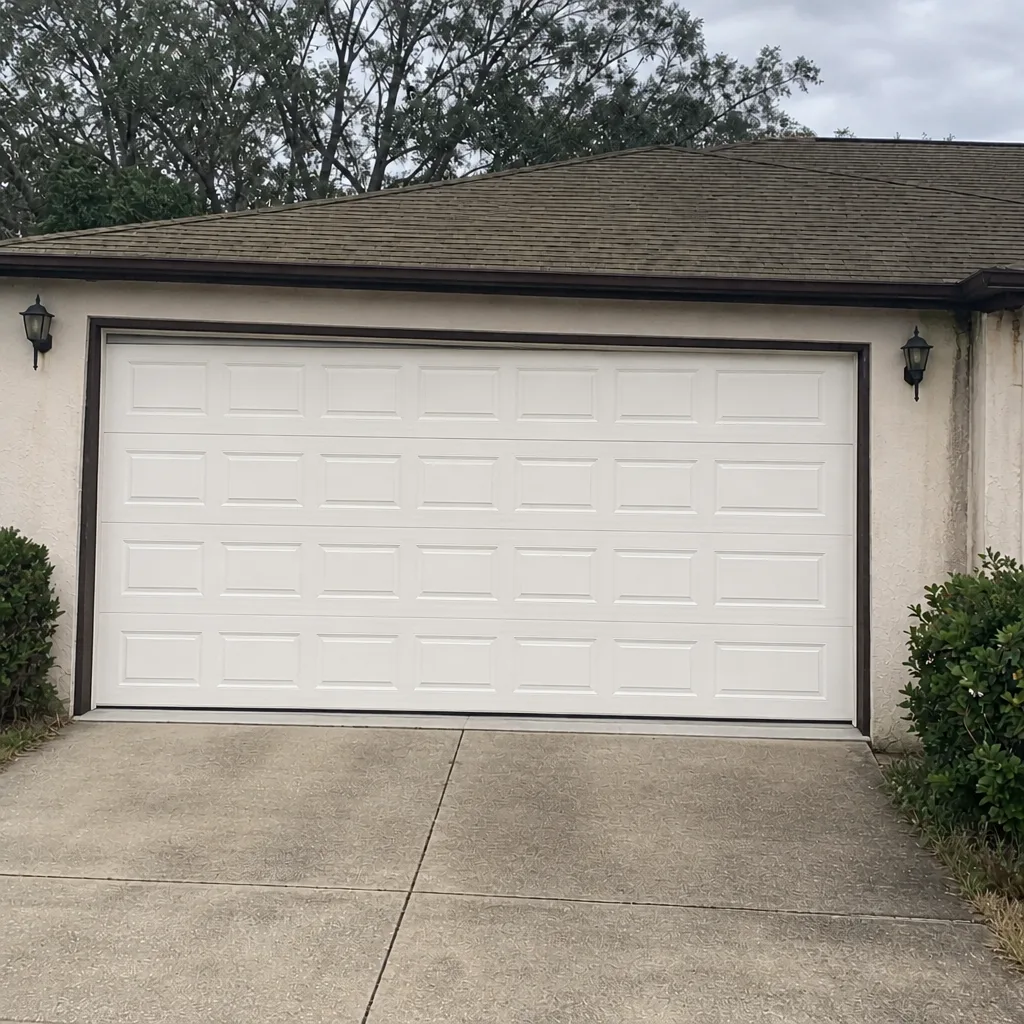 After
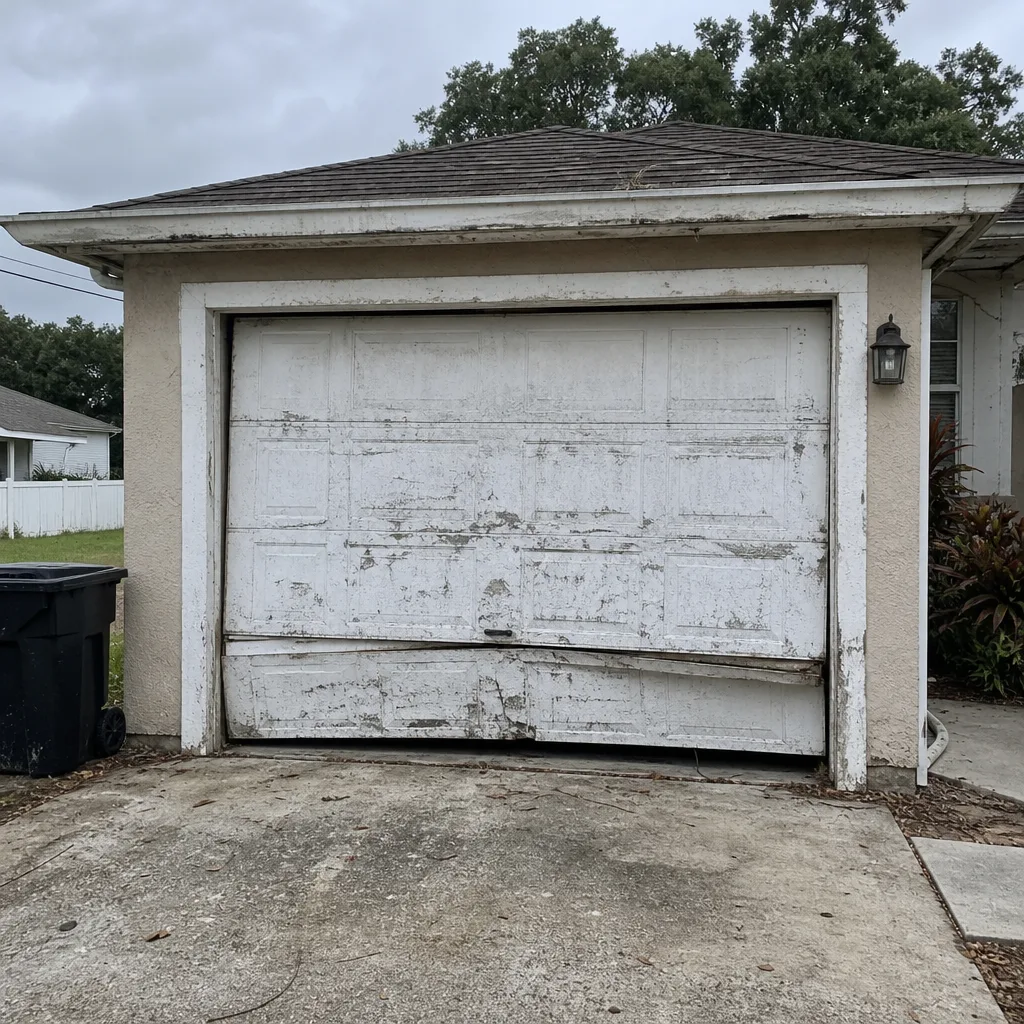 Before
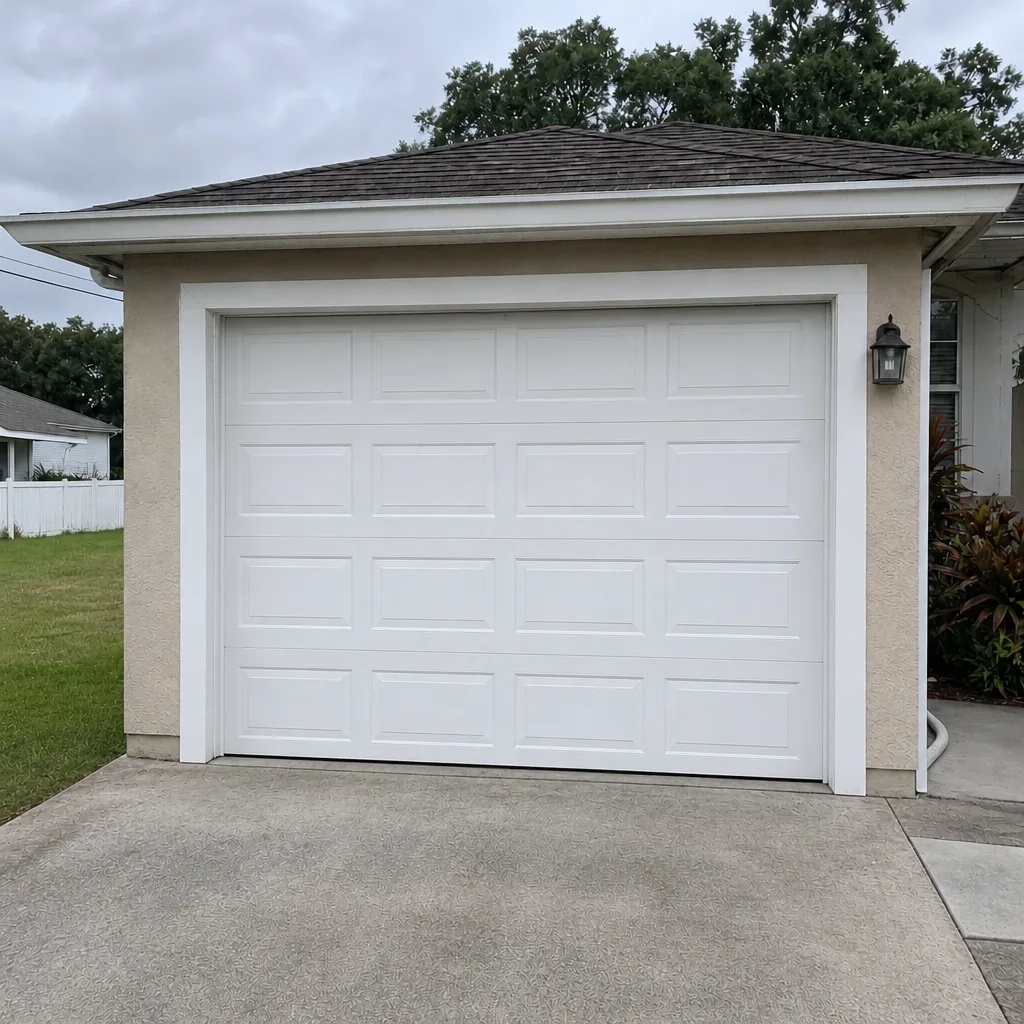 After
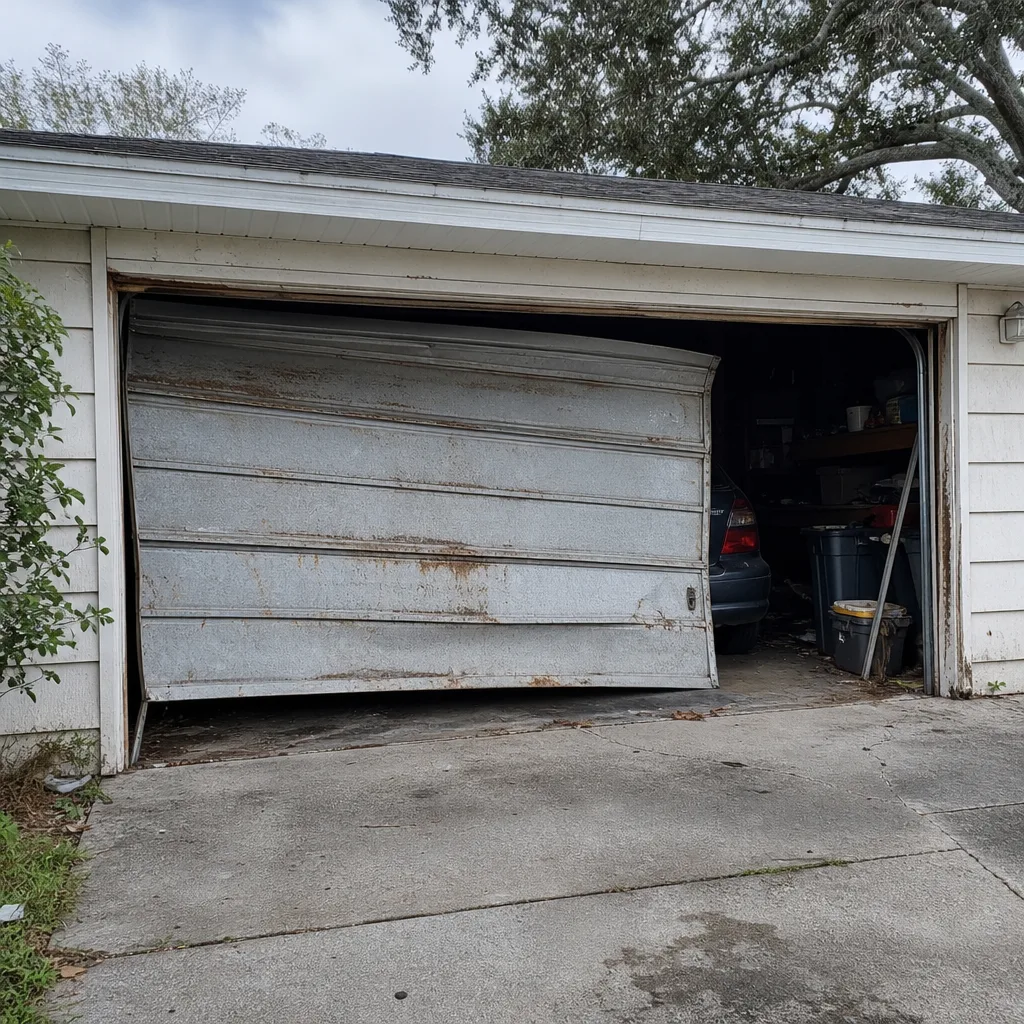 Before
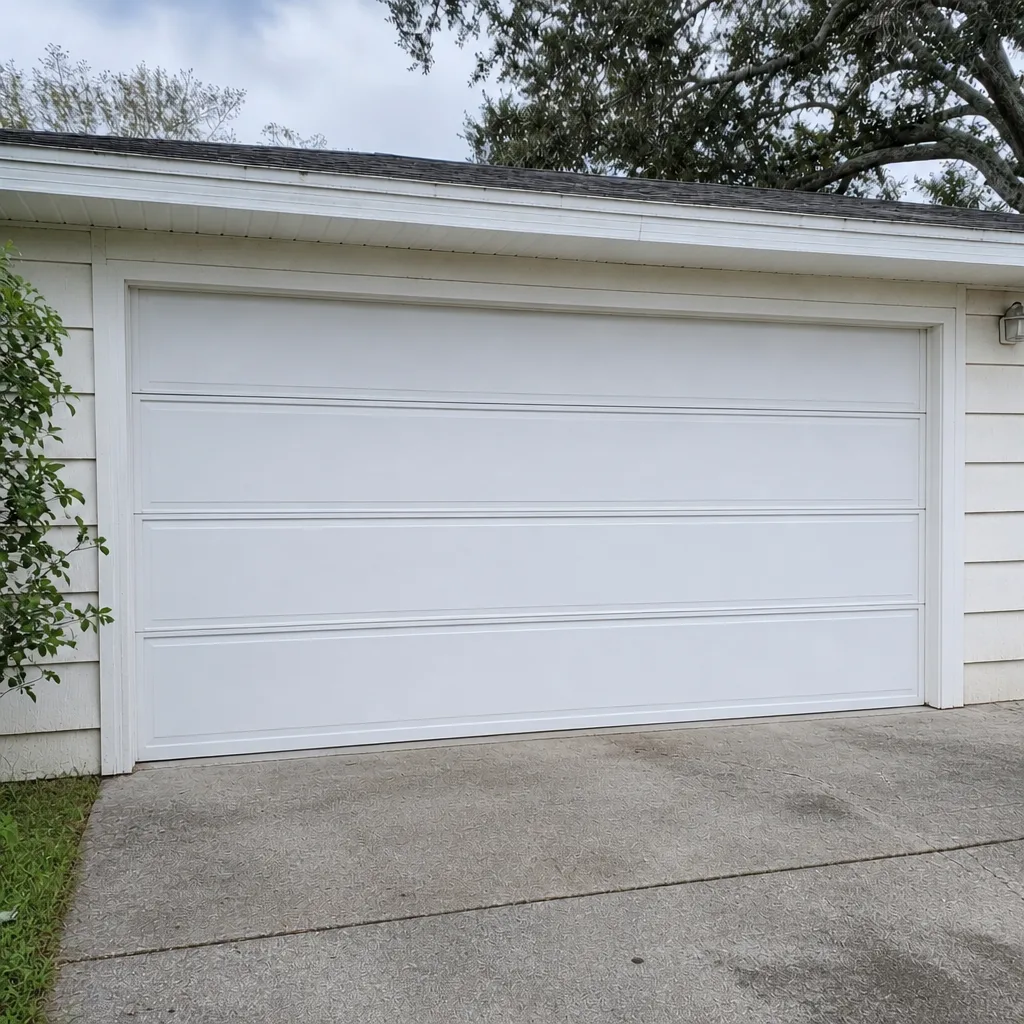 After
When to Call a Professional
Call a professional if the door won’t lift, reverses on the way down without hitting anything, has a visibly broken or stretched spring, has a cable hanging loose, or has jumped its tracks. Don’t use the door in any of those cases. Call sooner, while you can still drive in, if the door is slower, louder, heavier, or tilting compared to a month ago, or if the opener misbehaves intermittently. The earlier signs are far easier to fix. Bradenton Garage Door Repair Pros offers free estimates in Bradenton, and our technicians have up to 12 years of experience working across the major door and opener brands. Call (844) 941-2329 to book a free estimate, and let us know the brand and symptom on the phone so we arrive prepared. When you call about a warning sign in the “watch it” phase, that’s the right time.
Frequently Asked Questions
A loud bang followed by a door that won’t lift, a visible gap in a spring, a cable hanging slack, a door off its tracks, or a door that reverses on the way down without hitting anything are all “stop using the door” signs. These indicate failure of high-tension hardware that can release dangerously. Call a professional before pressing the button again.
No. A broken spring means the opener is trying to lift the door’s full weight, or the door is dangerously heavy if lifted manually. The opener will strain, and the door can come down uncontrolled. Park outside, leave the garage door closed, and call for repair. Spring repair is a high-tension job that needs a trained technician.
If the door moves but with resistance, noise, or a tilt, the door hardware is likely the cause. If the opener lights flicker, resets itself, or responds to one control but not another, the opener is likely the cause. If the opener runs but nothing moves, the cause is usually a broken spring or a stripped drive gear inside the opener. A technician can separate the two quickly.
Intermittent failures usually come from loose electrical connections, marginal force or travel limit settings, springs near the end of their cycle life, or a control board starting to fail. All of them can go from occasional to constant without warning, so an intermittent issue is worth investigating promptly rather than waiting for it to fail permanently.
Yes. Warm, moist Gulf Coast air accelerates rust on springs, cables, and hinges, and UV exposure hardens and cracks the bottom weather seal. Those signs show up earlier here than in drier climates, so check the seal for gaps and the hardware for rust spotting more often. Keeping the seal intact protects the hardware above it.
The written estimate sets the price. We inspect the door, diagnose the cause, and quote the job before any work starts, and the final invoice matches that agreed price. If the inspection reveals something extra, we discuss it with you and get your agreement before doing anything. Call (844) 941-2329 for a free estimate.
The Bottom Line
Garage door failures rarely arrive without warning. The door that hesitates, tilts, slows down, or makes a new sound is telling you which component is nearing the end of its life. Sort each sign into the “watch it” or “stop using the door” column, and act on the watch-it signs before they become failures. In Bradenton, humidity speeds up corrosion and seal wear, so those checks matter more here. Document intermittent problems, note the brand of your door and opener, and call a specialist rather than a generalist. The best time to book a service call is before the bang.
When you’re ready for a technician to look at your door, call (844) 941-2329 for a free estimate. We work on the brand already in your garage, from LiftMaster and Chamberlain openers to Clopay, Amarr, Wayne Dalton, and Raynor doors, and we cover springs, openers, panels, and full installations within our single specialty. Our technicians have up to 12 years of experience, and we can work with your insurance if a failure causes damage. Whether your door is a Raynor that’s started to tilt or a Wayne Dalton that no longer seals against the weather, one call gets the whole system checked from top to bottom.
Written by the team at Bradenton Garage Door Repair Pros.